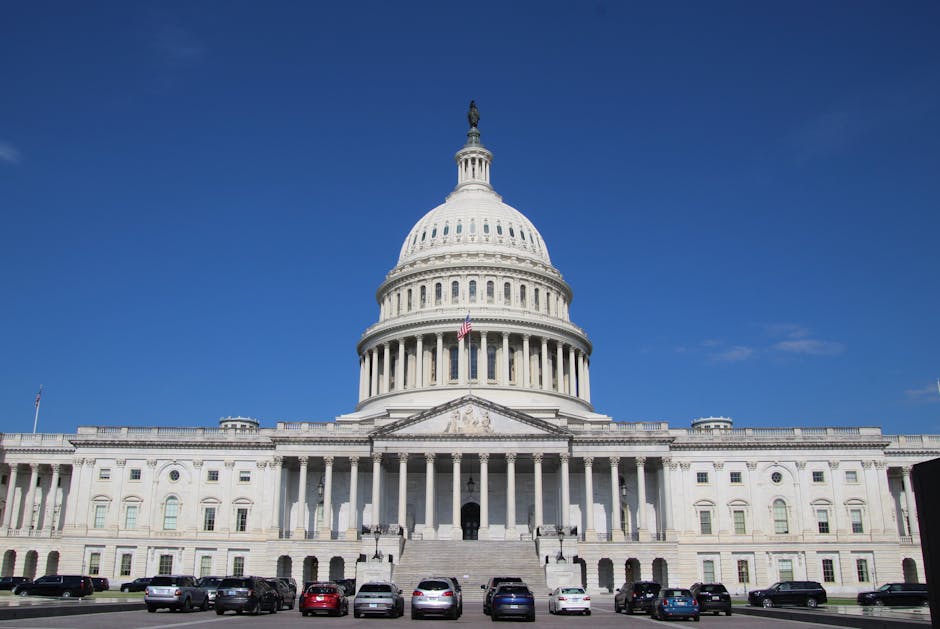
The US Postal Service (USPS) is at a critical financial juncture and could run out of cash within a year if Congress does not take immediate action to lift borrowing restrictions and allow for increased postage rates.Postmaster General David Steiner issued this warning during a recent hearing before the House Oversight Subcommittee on Government Operations, stating that without significant reforms, USPS may not be able to pay its employees or vendors as soon as February 2027.
Sources:
cnn.comabcnews.comSteiner, who became postmaster last year, explained that the Postal Service has been facing persistent financial challenges, exacerbated by a decline in traditional mail usage due to the rise of digital communication.He emphasized that USPS operates independently, relying primarily on revenue from postage and services, rather than taxpayer funding.
Sources:
npr.orgabc7.comDespite a slight increase in operating revenue, USPS reported net losses of $9 billion for the 2025 fiscal year and anticipates similar losses for 2024.
Sources:
cnn.comnpr.orgThe agency's financial woes result from various factors, including a legal obligation to provide universal mail service at uniform rates to all Americans, which particularly burdens operations in rural and hard-to-reach areas.Steiner noted that raising the price of a first-class stamp from its current rate of 78 cents to about 95 cents could substantially mitigate these losses.
Sources:
cnn.comabc7.comMoreover, USPS has reached its borrowing cap of $15 billion, which has remained unchanged since 1990, preventing the agency from taking additional loans to cover operational costs.Steiner remarked that this cap needs to be lifted to provide the necessary time for USPS to implement reforms and make strategic decisions on its service offerings.
Sources:
npr.orgabcnews.comDuring the testimony, lawmakers expressed a consensus on the need to address USPS's funding issues, although opinions differed on the extent of Congressional involvement required.Some members voiced concerns that simply raising stamp prices might not be a sustainable solution, with Republican Rep.Pete Sessions arguing against a significant price increase.Conversely, Democratic Rep.Kweisi Mfume highlighted the inevitability of addressing the debt limit as part of the solution.
Sources:
cnn.comfoxbusiness.comSteiner also mentioned the potential for cost-cutting measures, such as reducing mail delivery to five days a week or closing unprofitable post offices.However, he acknowledged that these options might face resistance from both Congress and the public, who value the current level of service provided by USPS.
Sources:
npr.orgabc7.comThe financial instability of USPS has drawn attention from both sides of the political spectrum, and there is growing urgency to prevent a crisis that could disrupt mail delivery services nationwide.The Government Accountability Office (GAO) has indicated that the current business model for USPS is unsustainable, predicting that the agency will soon be responsible for billions in new annual expenses related to retiree healthcare costs, further complicating its fiscal situation.
Sources:
foxbusiness.comabcnews.comAs USPS grapples with these challenges, Steiner has called for a national conversation about the future of the agency and the level of service Americans are willing to support.He urged lawmakers and the public to consider the costs associated with maintaining the current delivery model and the consequences of inaction, stating, "If you want us to deliver everywhere, every day, we'll do it.That's not a problem.But who is going to pay for it?".
Sources:
abc7.comabcnews.comIn conclusion, the US Postal Service stands at a critical crossroads, facing a potential cash crisis that could hinder its ability to serve the American public.The outcome of upcoming discussions in Congress will be pivotal in determining the agency's financial future and its ability to adapt to the changing landscape of mail and package delivery in an increasingly digital world.