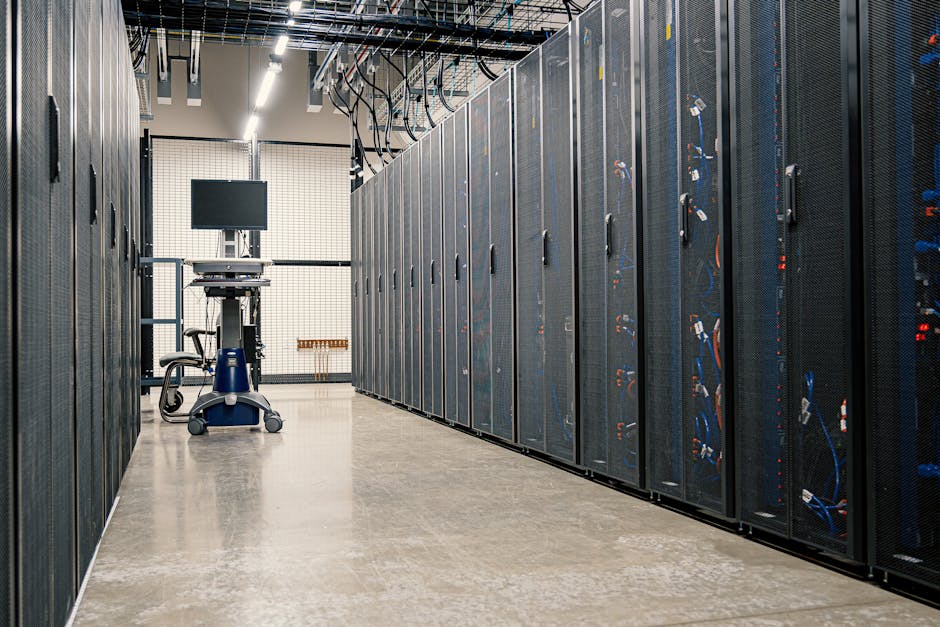
President Donald Trump has announced a significant initiative aimed at curbing rising electricity costs associated with the proliferation of AI data centers.At a recent White House event, he introduced the "Ratepayer Protection Pledge," which was signed by major technology firms, including Google, Amazon, and Microsoft, promising to cover their energy costs and invest in infrastructure to support their operations.
Sources:
usatoday.comwabe.orgThe pledge comes amid growing public concern over escalating utility bills, which have surged 6.3% over the past year, as reported by the Labor Department.
Sources:
pbs.orgwabe.orgTrump's administration is focused on addressing these affordability issues, especially with midterm elections approaching and voters increasingly frustrated with the economy.
Source:
usatoday.comDuring the signing ceremony, Trump claimed that the initiative would help keep utility bills "very, very substantially" lower for Americans, stating, "They're not going to be going up.They're going to be actually going down." He emphasized that the tech companies would be responsible for all costs related to supplying and delivering electricity to their data centers.
Source:
usatoday.comHowever, he acknowledged that it would take time for these changes to take effect, which raises questions about the immediate impact of the pledge.
Source:
usatoday.comDespite the optimistic rhetoric, energy experts are skeptical about the effectiveness of this initiative in providing real relief to consumers.Ari Peskoe, director of the Electricity Law Initiative at Harvard Law School, noted that the pledge is an unenforceable document that does not benefit consumers directly.He stated, "Electricity prices are set by utilities and approved by utility regulators, not through White House press conferences." This sentiment is echoed by Jill Tauber, vice president of litigation for climate and energy at Earthjustice, who urged for more robust policies rather than vague pledges.
Sources:
usatoday.compbs.orgeenews.netThe tech companies involved have committed to building or acquiring new power generation resources for their data centers.They also plan to negotiate separate rate structures with utilities, which could potentially shield consumers from some costs associated with data center operations.
Source:
whitehouse.govRyan Hledik from The Brattle Group suggested that if the principles laid out in the pledge are implemented effectively, they could provide some degree of protection to consumers from cost shifts related to data center growth.
Source:
usatoday.comHowever, experts warn that the rapid expansion of data centers is already straining the electricity grid and contributing to higher energy bills.A study from Carnegie Mellon University and North Carolina State University projected that data centers and cryptocurrency mining could result in an 8% increase in average electricity bills by 2030.
Sources:
usatoday.comeenews.netThe demand for electricity from these facilities is expected to triple by 2035, exacerbating the strain on an already stressed grid.
Source:
pbs.orgCommunities across the nation have voiced concerns regarding the environmental impact and rising power prices due to the increasing number of data centers.Opposition to these facilities has played a significant role in recent electoral outcomes in various states, indicating a growing public backlash against unchecked data center proliferation.
Sources:
pbs.orgwabe.orgWhile the tech companies have made commitments to invest in energy infrastructure, there is skepticism about whether these actions will be sufficient to counteract the rising costs associated with energy consumption.The waiting list for natural gas turbines, essential for power generation, has stretched to five years, and prices have more than doubled during that time, further complicating the situation.
Source:
eenews.netThe notion that tech companies can entirely self-supply their energy needs is also questioned.Experts emphasize that even if data centers generate their electricity, they will still rely on the grid, potentially leading to new capital investments that may ultimately affect consumers.
Source:
eenews.netIn summary, while Trump's Ratepayer Protection Pledge aims to alleviate the burden of rising energy costs associated with AI data centers, its effectiveness remains uncertain.Experts argue that without concrete policies and regulatory changes, the pledge may not deliver the promised relief to American households.As the demand for energy continues to grow, the pressure on the electricity grid and utility bills is likely to persist, leaving consumers with more questions than answers.