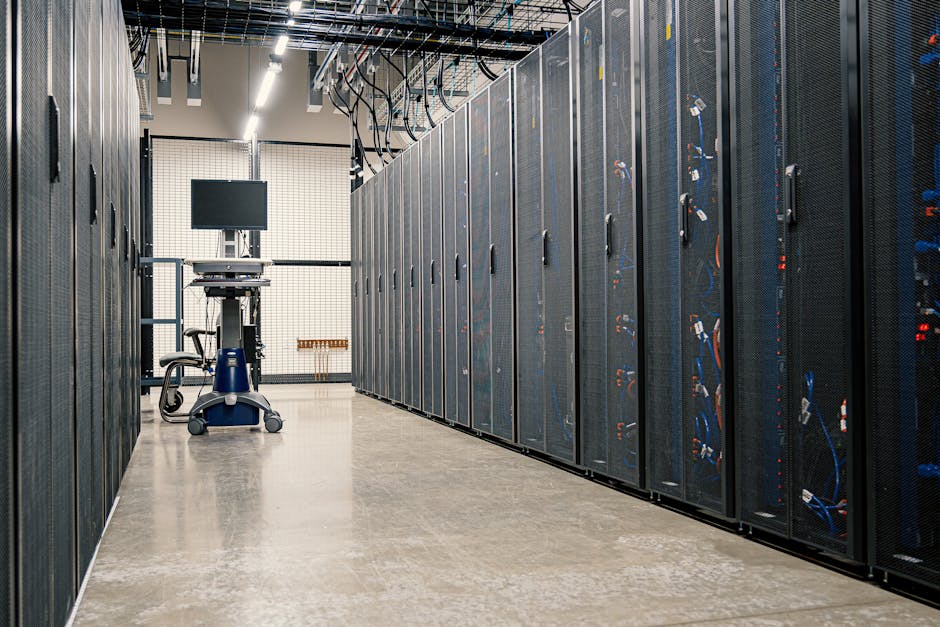
President Donald Trump has taken a firm stance against the burgeoning energy demands of artificial intelligence (AI) data centers, which have been driving up electricity costs for consumers across the United States.During a recent address, Trump introduced a "ratepayer protection pledge," which asserts that tech companies must take responsibility for their own power needs, including the construction of their own power generation facilities.
Source:
eenews.netThe expansion of AI data centers has significantly increased the demand for electricity.Analysts have pointed out that nearly 680 data centers are in development across the country, requiring energy equivalent to that produced by 186 large nuclear power plants.
Source:
eenews.netThis rapid growth is anticipated to exacerbate existing challenges within the electrical grid, leading to higher costs for ordinary Americans.
Sources:
eenews.netpewresearch.orgIn his speech, Trump challenged the tech industry to "provide for their own power needs," indicating that companies like Microsoft and Google should invest in their own energy infrastructure.
Source:
eenews.netEnergy Secretary Chris Wright highlighted that the administration has already engaged in discussions with leading AI firms, emphasizing the need for these companies to align their interests with those of the American public.
Source:
eenews.netHowever, many details of the plan remain vague, and critics argue that mere agreements are insufficient to safeguard against rising energy prices.
Source:
eenews.netThe rising energy demands are not only straining the grid but also impacting local communities.Many lawmakers express concerns that the costs associated with upgrading power infrastructure to accommodate these data centers could be passed onto residential customers.
Sources:
eenews.netpewresearch.orgFor instance, in the PJM electricity market, data centers are projected to add approximately $9.3 billion in costs to the capacity market, which could translate to higher monthly bills for households in states like Ohio and Maryland.
Source:
pewresearch.orgAs tech companies ramp up their investments in AI infrastructure, estimates suggest they may spend up to $600 billion on data centers by 2026.
Source:
eenews.netThis surge in investment raises questions about the sustainability of energy sources, as the majority of electricity for these centers currently comes from natural gas, with renewables accounting for a smaller share.
Source:
pewresearch.orgThe International Energy Agency warns that electricity demand from data centers may increase by 133% by 2030, further complicating the energy landscape.
Source:
pewresearch.orgIn response to the ongoing concerns, companies like Microsoft are launching initiatives aimed at addressing local community issues related to electricity and water use.
Source:
blogs.microsoft.comTheir "Community-First AI Infrastructure" initiative is designed to ensure that data centers do not impose additional costs on local residents while also creating jobs and boosting local economies.
Source:
blogs.microsoft.comThis approach reflects a growing recognition among tech firms of their responsibilities to the communities they impact, especially amid rising utility costs.Despite these corporate pledges, skepticism remains regarding the effectiveness of voluntary agreements.Critics assert that a lack of enforceable commitments could lead to continued financial burdens for consumers.
Source:
eenews.netAs Trump advocates for a stronger stance on tech companies' responsibilities, it remains to be seen how these initiatives will translate into tangible benefits for American households.With energy costs already on the rise, the urgency of finding a workable solution is paramount.Trump's administration has initiated steps to ease federal regulatory burdens associated with data center infrastructure, aiming to facilitate quicker construction of facilities that support AI and other technologies.
Source:
whitehouse.govHowever, balancing the growth of the tech sector with the needs of everyday Americans will require careful navigation and comprehensive planning to avoid escalating electricity prices that disproportionately affect consumers.
Source:
pewresearch.orgThe conversation around AI data centers, energy use, and consumer protection is likely to intensify as more facilities come online.As the industry evolves, both policymakers and tech companies will need to collaborate effectively to mitigate the impact on residential energy bills and ensure that the benefits of technological advancements are shared broadly across society.
Source:
pewresearch.orgAmidst the rapid developments in AI and data center infrastructure, this ongoing debate underscores the critical intersection of technology, energy policy, and consumer rights in the United States.