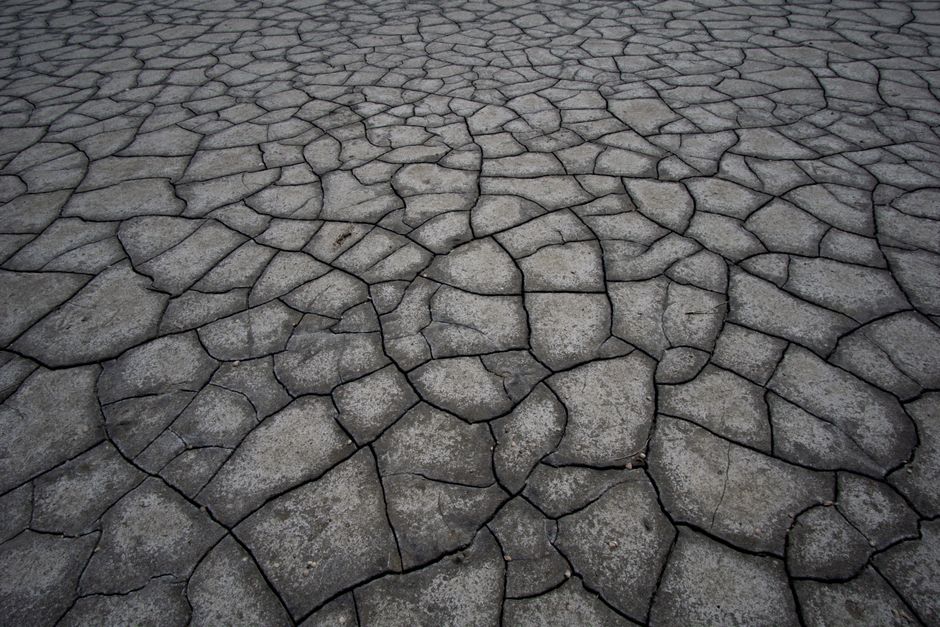
Farmers are increasingly facing mental health challenges exacerbated by climate change.As extreme weather events become more frequent and severe, many agricultural workers experience heightened stress, anxiety, and feelings of hopelessness.This article explores the emotional toll of climate change on farmers and underscores the need for more research and support.Climate change significantly impacts farmers' mental health, often leading to feelings of despair and anxiety.A systematic review identified key risk factors affecting farmers' mental well-being, including climate variability, financial difficulties, and pesticide exposure.
Source:
pmc.ncbi.nlm.nih.govThe unique relationship farmers have with the land makes them particularly vulnerable to these stressors.Farmers witness firsthand the effects of climate change on their crops and livestock, which can lead to emotional distress and ecological grief—a term describing the sadness associated with environmental loss and degradation.
Sources:
farmland.orgfrontiersin.orgResearch indicates that the mental health of farmers is markedly worse than that of other occupational groups.For instance, a study found that the suicide rate for farmers is significantly higher than the national average, underscoring the severity of mental health issues in this population.In 2020, the average suicide rate for US farmers was 43.7 per 100,000, compared to 14.1 for the general population.
Source:
farmland.orgThis alarming statistic reflects the compounded stresses farmers face, including unpredictable weather, debt, and long hours of labor in isolation.Qualitative research on Canadian farmers has highlighted the overwhelming nature of climate-related crises.Interviews conducted with farmers revealed that many feel uncertain about their future in agriculture as they confront extreme weather events, such as droughts and floods.These experiences can lead to feelings of helplessness and hopelessness, further exacerbating mental health issues^[3].The emotional burden of farming, coupled with the environmental challenges posed by climate change, creates a perfect storm for mental health crises.Moreover, the lack of access to mental health services in rural areas compounds these challenges.Farmers often live in communities where mental health resources are scarce, and stigma surrounding mental health issues can deter them from seeking help.For instance, a 2021 survey indicated that 76% of farmers reported experiencing moderate to high stress, yet many remain reluctant to reach out for support due to perceived social stigma.
Source:
wellingtonadvertiser.comThe emotional responses to climate change among farmers are complex and multifaceted.Terms such as eco-anxiety and ecological grief capture the distress experienced as farmers confront the reality of climate impacts on their livelihood and identity.As one farmer poignantly expressed, "For God's sake, just rain," illustrating the desperation felt during prolonged drought conditions^[3].Addressing these mental health challenges is crucial for the sustainability of farming communities.Researchers emphasize the need for targeted mental health resources tailored for farmers, which could include support groups, counseling services, and community outreach programs.Initiatives like the Farmer Wellness Initiative and Agriculture Wellness Ontario aim to provide resources and support for farmers facing mental health challenges due to climate stressors.
Source:
wellingtonadvertiser.comFurthermore, ongoing research into the mental health impacts of climate change on farmers is essential.Current studies often focus on quantitative data, which may overlook the nuanced emotional experiences of farmers.Qualitative research, such as interviews and case studies, can provide deeper insights into the mental health challenges faced by agricultural workers and inform more effective interventions and policies.
Source:
wellingtonadvertiser.comIn conclusion, the mental health crisis among farmers is a pressing issue that requires urgent attention.Climate change exacerbates existing stressors and introduces new challenges that threaten the well-being of agricultural workers.By prioritizing mental health resources and conducting further research, we can better support farmers in navigating the emotional toll of climate change and ensure the resilience of our food systems.As climate change continues to evolve, it is vital to recognize and address the mental health impacts on those who feed us.Fostering resilience within farming communities will not only benefit individual farmers but also contribute to the overall health and sustainability of agricultural systems.