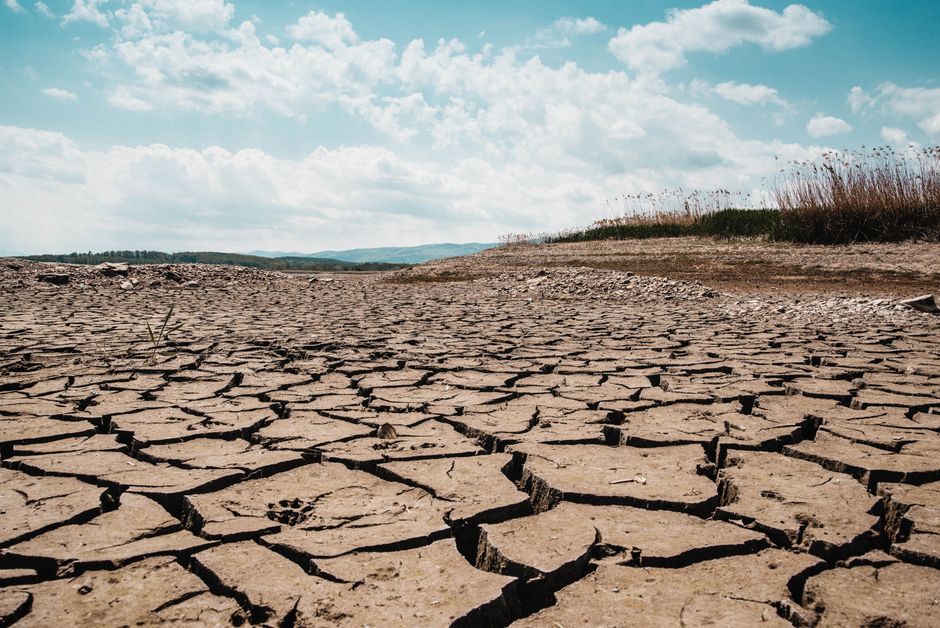
A historic heatwave has enveloped Western North America, leading to unprecedented March temperatures.This event, marked by temperatures reaching 41.1°C (106°F) in Phoenix and even higher in other areas, has shattered numerous records set for this time of year, making headlines across the region.
Sources:
preventionweb.netyaleclimateconnections.orgThe ongoing heatwave, which began around March 18, 2026, has caused temperatures to soar 11-17°C (20-30°F) above average in parts of California, Nevada, and Arizona.
Source:
preventionweb.netThis has resulted in a series of all-time March heat records being set, including a staggering 112°F at Martinez Lake, Arizona.
Sources:
eos.orgyaleclimateconnections.orgThe extreme high-pressure system responsible for this phenomenon, often referred to as a "heat dome," has created stable atmospheric conditions that suppress cloud formation and precipitation, thereby exacerbating the heat.
Source:
preventionweb.netAccording to a rapid analysis by World Weather Attribution, the extreme temperatures forecasted during this heatwave would be nearly impossible in a world without human-caused climate change.The study indicated that climate change has made such heat events about 800 times more likely and increased their intensity by approximately 2.6°C.
Sources:
eos.orgpbs.orgThis analysis highlights the rapid increase in likelihood and intensity of heat extremes in recent years.In the past decade alone, the likelihood of such extreme heat events has increased by a factor of about four, illustrating the significant impact of climate change on weather patterns.
Sources:
worldweatherattribution.orgeos.orgExperts emphasize that March is now exhibiting the most substantial warming signal for heat extremes in the region, with observed temperatures up to 6°C higher than those recorded under a baseline climate approximately 1.3°C cooler.
preventionweb.netpbs.orgThe implications of this heatwave extend beyond immediate health concerns.High temperatures are expected to accelerate snowmelt in critical watersheds, particularly in the Rockies and Sierra Nevada, where snowpack levels are already at historic lows.
Source:
preventionweb.netThis could lead to reduced water availability during the summer months, increasing the risk of drought and wildfires in the Southwest.
Sources:
preventionweb.netyaleclimateconnections.orgThe historical context of this event underscores the urgency of addressing climate change.The return period for such a heatwave, even in the current climate, is estimated to be once every 500 years.
Sources:
worldweatherattribution.orgpreventionweb.netHowever, due to the high levels of greenhouse gas emissions, the likelihood of such events is rapidly increasing, leading to new records being set with alarming frequency.
Sources:
eos.orgpbs.orgIn conclusion, the record-shattering temperatures of March 2026 in Western North America serve as a stark reminder of the profound effects of climate change on our environment.As scientists continue to study these extreme events, it is clear that without significant action to mitigate climate change, such unprecedented weather conditions may become the new norm.
Sources:
preventionweb.netpbs.orgExperts are calling for enhanced heat action plans to protect vulnerable populations and address the mental health impacts of extreme heat, stressing the need for urban planning initiatives that reduce the urban heat island effect.
Source:
preventionweb.netAs climate change continues to drive extreme weather, the necessity for comprehensive strategies to adapt to and mitigate these changes has never been more critical.
Sources:
worldweatherattribution.orgpbs.orgThe ongoing dialogue about climate action must prioritize these urgent realities, as the consequences of inaction are becoming increasingly evident in the form of extreme heat and its associated risks.