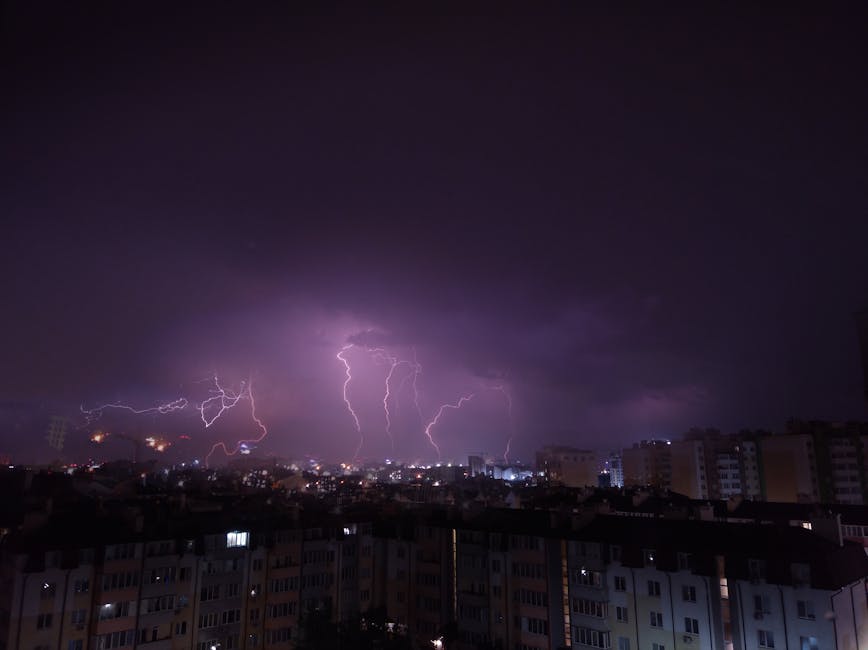
Recent studies indicate a stronger connection between climate change and extreme weather events, highlighting a troubling trend of escalating intensity and frequency of conditions such as heat waves, droughts, and hurricanes.
Source:
edf.orgAs the planet continues to warm, the implications for human safety, health, and the economy become increasingly dire.
Source:
19january2017snapshot.epa.govClimate change is causing significant alterations to weather patterns, resulting in more severe heat waves and prolonged droughts.
Source:
19january2017snapshot.epa.govFor instance, in July 2023, California's Death Valley experienced temperatures exceeding 125 degrees Fahrenheit for nine consecutive days, while nearly 100 million Americans were under excessive heat advisories during a June heat wave.
Source:
environment.yale.eduThe rising temperatures not only pose immediate health risks but also strain energy resources as demand for cooling surges.
Source:
19january2017snapshot.epa.govThe transformation of climate systems is also contributing to a heightened risk of wildfires.As temperatures rise, conditions become more favorable for these devastating events.Warmer climates lead to increased evaporation from soil and vegetation, drying out potential fuel sources like trees and shrubs.
Source:
edf.orgThe summer of 2023 saw nearly 900 wildfires raging across Canada, with smoke affecting air quality for millions in the eastern US This demonstrates the far-reaching impacts of localized wildfires, extending beyond immediate geographic boundaries.
Source:
earthjustice.orgMoreover, extreme weather events are becoming more common and severe globally.Between 2011 and 2013, the United States witnessed 32 weather events, each causing damages exceeding one billion dollars.
Source:
19january2017snapshot.epa.govThe World Meteorological Organization reported that between 1970 and 2019, natural hazards—including extreme weather events—accounted for 50% of all disasters and resulted in 2 million deaths and $3.64 trillion in economic losses globally.
Source:
news.un.orgFloods and hurricanes are other critical areas where climate change is having a substantial impact.Rising sea levels, driven by melting glaciers and warmer ocean temperatures, increase the likelihood of devastating storm surges.
Source:
edf.orgThese conditions create a feedback loop where more intense storms lead to greater flooding, affecting coastal communities and ecosystems.
Source:
edf.orgAttributing extreme weather events to climate change is complex, but scientists have made progress in linking specific events to human-induced climate factors.Advances in attribution science allow researchers to quantify how climate change increases the likelihood of specific weather events, such as heat waves and heavy rainfall.
Source:
environment.yale.eduThis understanding is essential for informing climate action and disaster preparedness strategies.As extreme weather continues to intensify, the potential for severe economic and social ramifications grows.Droughts, for instance, jeopardize agricultural productivity, leading to crop failures and rising food prices.
Source:
19january2017snapshot.epa.govFurthermore, wildfires not only destroy homes and natural habitats but also contribute to poor air quality, which can have serious health implications far from the fire's origin.
Source:
earthjustice.orgMoving forward, it is critical to improve early warning systems and disaster management strategies to mitigate the impacts of these extreme weather events.
Source:
news.un.orgWhile advancements have been made, gaps remain in weather observing networks, particularly in vulnerable regions.
Source:
news.un.orgEnhanced communication about the links between climate change and extreme weather can also help engage the public and foster support for necessary climate actions.
Source:
environment.yale.eduIn summary, the evidence is mounting that climate change is a significant driver of extreme weather events, with profound implications for health, safety, and economic stability.As these patterns continue to evolve, proactive measures and robust communication strategies will be vital in addressing the challenges posed by our changing climate.