The National Prayer Breakfast, an annual event traditionally attended by US presidents and lawmakers, witnessed a significant divide this year as two separate gatherings took place in Washington.President Donald Trump addressed a large crowd at the Washington Hilton, emphasizing his administration's accomplishments while promoting a contentious view of immigration policy that drew sharp contrasts with a more subdued event organized at the US Capitol by bipartisan lawmakers.
Sources:
ncronline.orgpbs.orgDuring his speech at the Hilton, Trump asserted, "I've done more for religion than any other president," and used the platform not only to highlight his administration’s successes but also to criticize political opponents, particularly Democrats.
Sources:
faithandleadership.compbs.orgHe posed a provocative question to attendees, asking how a person of faith could support a Democrat, reflecting his efforts to align religious beliefs with his political agenda.
Source:
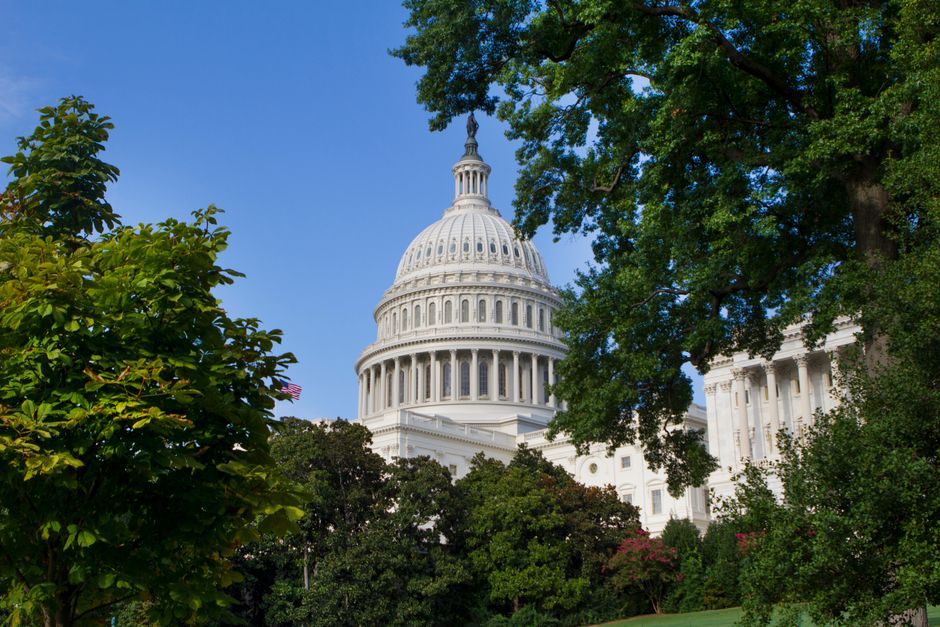
ncronline.orgIn stark contrast, the Capitol event, co-hosted by Senators Roger Marshall and Kirsten Gillibrand, focused on prayers and scripture readings, fostering a spirit of unity among attendees.
Sources:
ncronline.orgpbs.orgThis gathering included a keynote address from Senate Chaplain Barry Black, who emphasized the importance of faith in public life without the divisive rhetoric seen at the Hilton.
Source:
ncronline.orgTrump’s remarks included references to immigration issues, particularly a recent disruption at a church service in Minnesota linked to US Immigration and Customs Enforcement (ICE) actions.He criticized activists and highlighted the arrests made during the incident, framing it as an example of the opposition to his administration's policies.
Sources:
ncronline.orgpbs.orgFollowing Trump’s speech, Rep.Jonathan Jackson led a prayer that appeared to address the consequences of these immigration policies, specifically referencing victims of violence related to enforcement actions.
Source:
ncronline.orgThis juxtaposition highlighted the differing perspectives on immigration within the religious community, with Trump’s supporters generally endorsing stricter measures while others, including some clergy, advocate for compassion and protection for migrants.
Sources:
faithandleadership.compbs.orgThe split into two events reflects a broader shift within the National Prayer Breakfast's structure, which had been dominated for decades by the Fellowship Foundation, a controversial evangelical group.This year marked a departure from that tradition, as lawmakers sought to distance themselves from the organization amid growing scrutiny.
Sources:
ncronline.orgglobalsistersreport.orgTrump’s rhetoric at both events also included calls for the protection of religious liberties, which he claimed were under attack from the current administration.He announced the formation of a task force to combat what he described as "anti-Christian bias" in federal agencies, further polarizing the discussion around faith and politics.
Source:
pbs.orgCritics of Trump's approach, including groups advocating for the separation of church and state, argue that such initiatives could be misused to justify discrimination under the guise of religious freedom.
Source:
pbs.orgThis tension reflects broader societal debates about the role of religion in public life and the intersection of faith with political ideologies.As the National Prayer Breakfast continues to evolve, the contrasting views on critical issues like immigration and religious liberty reveal deep divisions not only within American politics but also within the faith community itself.The events underscore the complexities of faith in a polarized political landscape, where prayer breakfasts can become battlegrounds for broader ideological conflicts.
Sources:
ncronline.orgfaithandleadership.compbs.orgThis year's gatherings served as a stark reminder of the challenges facing religious leaders and communities as they navigate the intricate relationship between faith and political action in contemporary America.