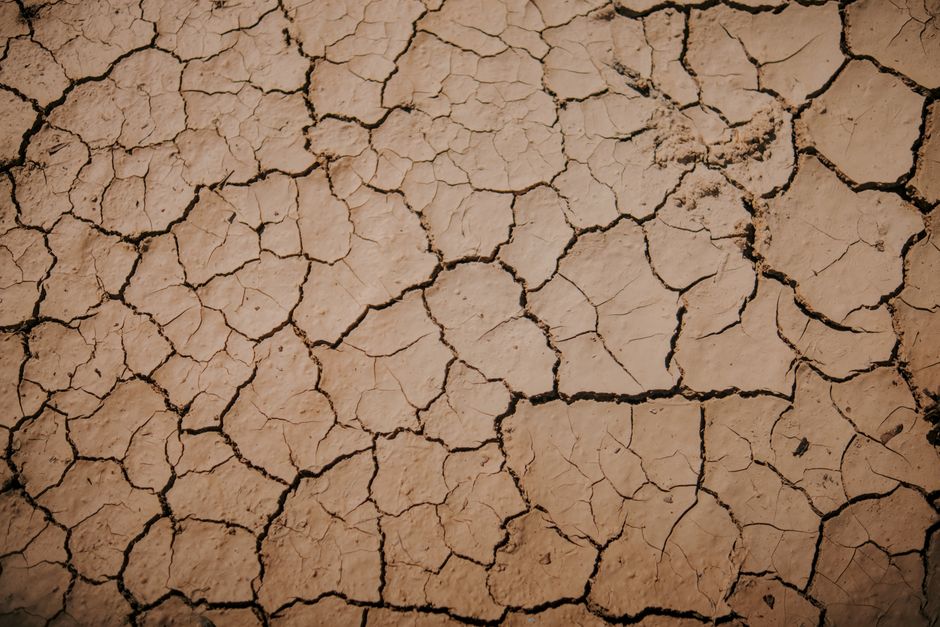
Climate change is rapidly emerging as a significant driver of political instability worldwide.Rising temperatures, extreme weather events, and resource scarcity are reshaping societies and placing increasing pressure on governments.As these challenges intensify, the ramifications of climate change are becoming evident in political unrest and conflicts across various regions.
Source:
azernews.azOne of the primary ways climate change influences political stability is through resource scarcity.Water shortages, declining agricultural productivity, and food insecurity create competition among communities and nations.
Source:
azernews.azIn regions heavily dependent on agriculture, prolonged droughts or unpredictable weather can devastate livelihoods, leading to economic hardship and social unrest.
Sources:
csis.orgdni.govFor instance, the World Food Program has documented a direct correlation between food insecurity and political instability, with hunger driving conflict in numerous countries.
Source:
csis.orgMigration further complicates this landscape.As certain areas become uninhabitable due to rising sea levels, desertification, or natural disasters, populations are forced to relocate.This mass displacement can strain resources in receiving regions, leading to tensions between local populations and newcomers.
Source:
azernews.azSuch scenarios may intensify nationalist sentiments and anti-immigration policies, particularly in fragile states already facing internal strife.
Source:
azernews.azCountries with weak institutions and ongoing conflicts are particularly vulnerable to environmental stresses.The competition over dwindling resources, such as water and arable land, can heighten internal conflicts or even trigger cross-border disputes.
Sources:
azernews.azdni.govFor example, the African Sahel has seen increased violence between farmers and pastoralists, largely driven by desertification and water scarcity, resulting in thousands of deaths in recent years.
Source:
csis.orgThe economic implications of climate change also threaten political stability.Natural disasters can damage infrastructure, disrupt trade, and necessitate substantial government spending on recovery efforts.Developing countries are especially at risk, as they often lack the financial resources and institutional capacity to respond effectively to such crises.
Source:
azernews.azAs economic conditions deteriorate, public dissatisfaction can grow, raising the risk of protests and political unrest.
Source:
azernews.azOne significant event highlighting the importance of addressing climate change in relation to political stability was COP29, held in Baku in 2024.This conference underscored the critical need for financial commitments from developed countries to support developing nations disproportionately affected by climate change.
Source:
azernews.azThe discussions emphasized that without adequate funding and international cooperation, environmental challenges could exacerbate existing inequalities and trigger further instability, particularly in economically and politically fragile regions.
Source:
azernews.azThe link between food insecurity and political unrest is also critical.The 2022 global food price crisis serves as a stark example, where rising prices due to supply disruptions and climate-related events led to widespread protests in numerous countries.
Source:
csis.orgAcademic literature suggests that climate change is a key driver of food-related instability, with studies showing that adverse climate events can lead to increased civil conflict, particularly in regions like sub-Saharan Africa.
Source:
csis.orgMoreover, the motivations for conflict are multifaceted.Desperation due to economic hardship often drives individuals toward violent extremism, while grievances related to food insecurity can incite collective action.
Source:
csis.orgPoor governance further complicates these dynamics, as ineffective government responses to food supply issues can undermine public trust and legitimacy, creating a fertile ground for unrest.
Source:
csis.orgIn conclusion, climate change is no longer solely an environmental concern; it has emerged as a defining political challenge of the 21st century.The interplay of resource scarcity, migration pressures, and economic instability underscores the urgent need for governments to address climate-related issues proactively.Failure to do so not only risks exacerbating existing tensions but could also lead to widespread political unrest and conflict in the future.