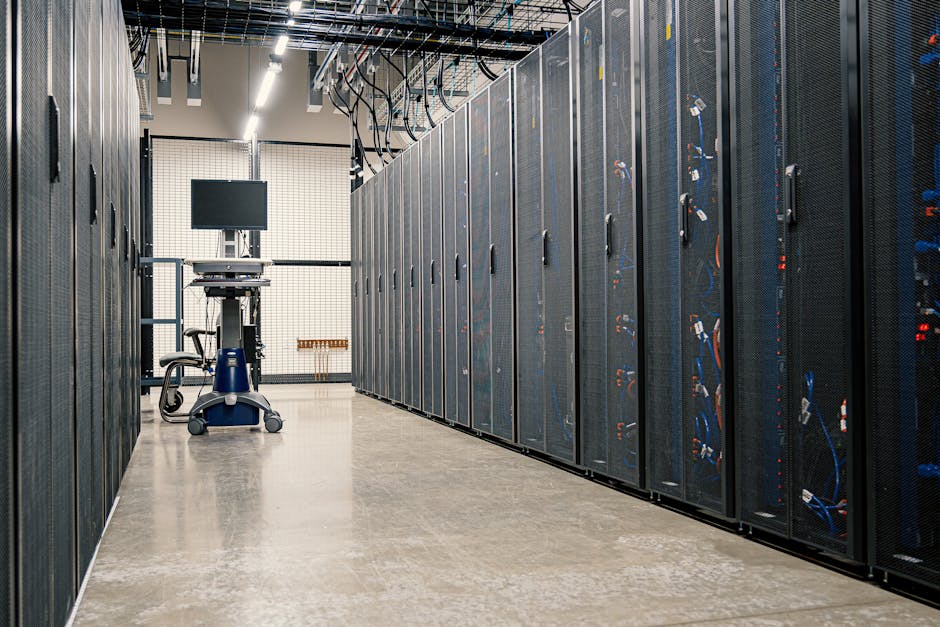
In recent years, major tech companies such as Google and Microsoft have set ambitious clean energy targets, aiming to power their operations entirely with renewable energy by 2030.Google's goal of achieving complete renewable energy dependence was once seen as a straightforward mission but has since been labeled a "moonshot" due to challenges posed by rising energy demands from artificial intelligence (AI) data centers.
Source:
fortune.comAs AI technology expands, so too does the electricity consumption required to support it.Data centers, which already accounted for about 4.6% of total US electricity use in 2024, are expected to nearly triple their share by 2028.
Source:
fortune.comThe surge in demand for electricity for AI processing has led to tech companies increasingly turning to natural gas, which is a significant source of greenhouse gas emissions.
Source:
fortune.comIn fact, in 2024, natural gas supplied over 40% of the electricity powering US data centers, highlighting a troubling trend in energy sourcing.
Source:
fortune.comDespite commitments to sustainability, many companies have seen their emissions rise significantly in recent years.For example, Google's emissions increased by nearly 50%, while Amazon's and Microsoft's emissions rose by 33% and more than 23%, respectively.
Source:
fortune.comThis paradox of increased renewable energy purchases juxtaposed with rising emissions underscores the complexities of meeting sustainability commitments in the face of burgeoning AI energy needs.Tech companies are grappling with the dual challenges of expanding their operations and adhering to sustainability targets.Patrick Huang, a senior analyst at Wood Mackenzie, noted that while companies haven't officially revised their goals, there is a growing acknowledgment that they may not be on track to meet them.
Source:
fortune.comThe urgency to remain competitive has led to a "mad rush" for power supplies, with many companies contracting directly with natural gas plants, which can be faster to deploy than renewable energy sources.
Source:
fortune.comThe competition for energy resources is expected to escalate as the demand for AI-driven services continues to grow.AI requires vast amounts of uninterrupted electricity to operate effectively, and tech leaders acknowledge this energy dependence.
Source:
iaea.orgMicrosoft President Brad Smith expressed confidence in meeting carbon-neutral goals, but the reality is that many energy-efficient measures are being overshadowed by the sheer scale of electricity needed for AI.
Source:
fortune.comThe interplay between energy demands and climate commitments is further complicated by regulatory and infrastructural challenges.A backlog of proposed energy projects and delays in connecting renewable sources to power grids hinder the transition to cleaner energy sources.
Source:
fortune.comFurthermore, previous federal policies have made it more challenging for companies to rely solely on renewable energy, as tax credits supporting green energy initiatives have been eliminated.
Source:
fortune.comIn response to the energy crunch, tech companies are exploring investments in nuclear energy.For instance, Amazon has made moves to purchase energy from nuclear power plants, and Google is looking to invest in small modular reactors (SMRs) for its data centers.
Source:
carnegieendowment.orgThe integration of AI and nuclear energy is seen as a potential solution to meet the high power demands of data centers while minimizing environmental impact.
Source:
iaea.orgAs global energy consumption continues to rise, particularly in emerging markets, the demand for clean and reliable energy sources will become increasingly critical.The convergence of AI and clean energy presents both challenges and opportunities for tech companies striving to balance growth with sustainability.
Source:
carnegieendowment.orgIn conclusion, while big tech companies initially embraced clean energy as a cornerstone of their operations, the rapid expansion of AI data centers has complicated their sustainability efforts.The race to harness AI's potential must now align with the urgent need to reduce greenhouse gas emissions, emphasizing the importance of innovative energy solutions like nuclear power to meet the demands of the digital future.