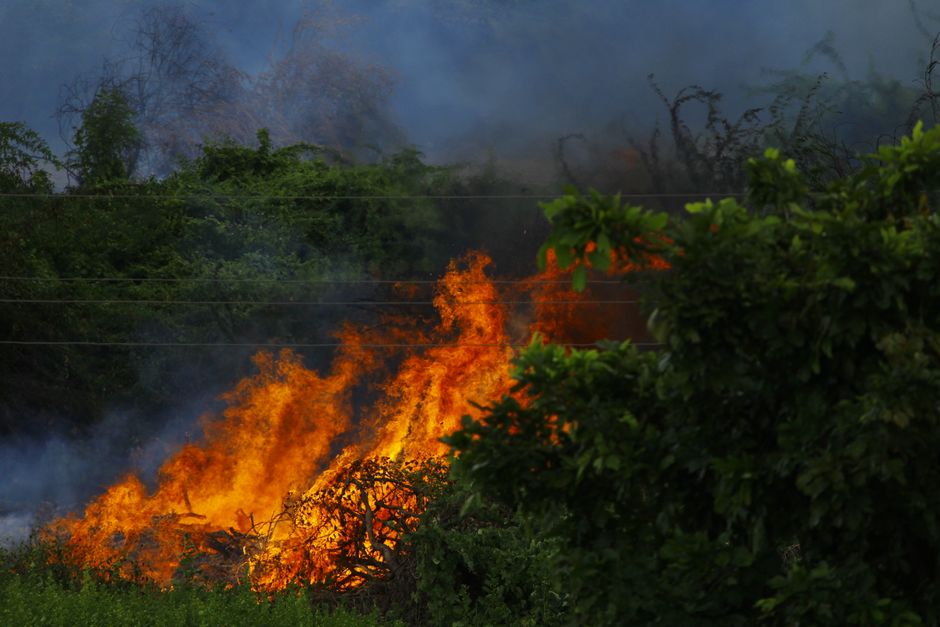
The increasing concentration of carbon dioxide (CO2) in the atmosphere, primarily due to human activities, is a leading cause of climate change.By 2023, CO2 levels had risen to 51% above pre-industrial levels, significantly contributing to global warming.
Source:
climate.ec.europa.euHowever, the US has recently moved away from regulating emissions, raising questions about the implications for climate action.In July 2025, the US Environmental Protection Agency (EPA) proposed rescinding the 2009 Endangerment Finding, which has been pivotal in regulating greenhouse gas emissions under the Clean Air Act.
Source:
epa.govThis finding established that pollutants from fossil fuel combustion, such as CO2, pose a threat to public health and the environment.The Trump administration's proposal aims to eliminate approximately $1 trillion in regulatory costs associated with these emissions, asserting that previous administrations misinterpreted their legal authority.
Sources:
epa.govnpr.orgThe rationale behind this regulatory reversal is multifaceted.EPA Administrator Lee Zeldin stated that the previous regulations created uncertainties and significant costs for American consumers and businesses.By rescinding these rules, the administration argues it will restore consumer choice and reduce living costs for families.
Source:
epa.govThe move has garnered support from certain political and industry leaders who claim that it will enhance American energy independence and competitiveness.
Source:
epa.govCritics, however, argue that this decision undermines decades of climate policy progress.Environmental groups have expressed concern that rolling back the Endangerment Finding is a direct attack on climate science and could exacerbate the ongoing climate crisis.
Source:
npr.orgThe decision comes amid record-breaking heat and climate-related disasters, raising ethical questions about the government's commitment to mitigating climate change.
Source:
npr.orgThe legal basis for the EPA's ability to regulate greenhouse gases has faced scrutiny.The Supreme Court established in the landmark case Massachusetts v.EPA that the agency has the duty to regulate emissions that pose a risk to public health.
Source:
npr.orgHowever, the Trump administration contends that the Endangerment Finding was enacted through a flawed legal process and that new scientific data justify its repeal.
Sources:
epa.govnpr.orgThe implications of rescinding this finding extend beyond regulatory frameworks; they affect the entire US auto industry.The EPA's earlier emissions standards aimed to significantly lower greenhouse gas emissions from vehicles, pushing for a transition to electric vehicles (EVs).With the rollback, automakers now face reduced pressure to innovate and develop cleaner technologies, which could hinder the US's competitiveness in the global EV market.
Source:
npr.orgMoreover, the suspension of stringent emission regulations raises concerns about the potential legal battles that could ensue.Environmental advocates are likely to challenge the EPA's decision in court, arguing that the rollback violates established laws designed to protect public health and the environment.
Source:
npr.orgAs the US steps back from regulating emissions, the question remains: What will be the long-term effects on both the environment and public health?Without robust regulatory frameworks, the country risks falling behind in the global effort to combat climate change, which requires collective action and commitment from all nations.The fate of future climate policies will depend on ongoing legal challenges and the political will to address the pressing issue of climate change effectively.
Sources:
climate.ec.europa.eunpr.orgIn conclusion, the US has entered a new era of deregulation concerning greenhouse gas emissions.This shift not only complicates the fight against climate change but also raises concerns about the future of environmental protection in the country.As the impacts of climate change become increasingly evident, the need for comprehensive and effective regulations is more important than ever.