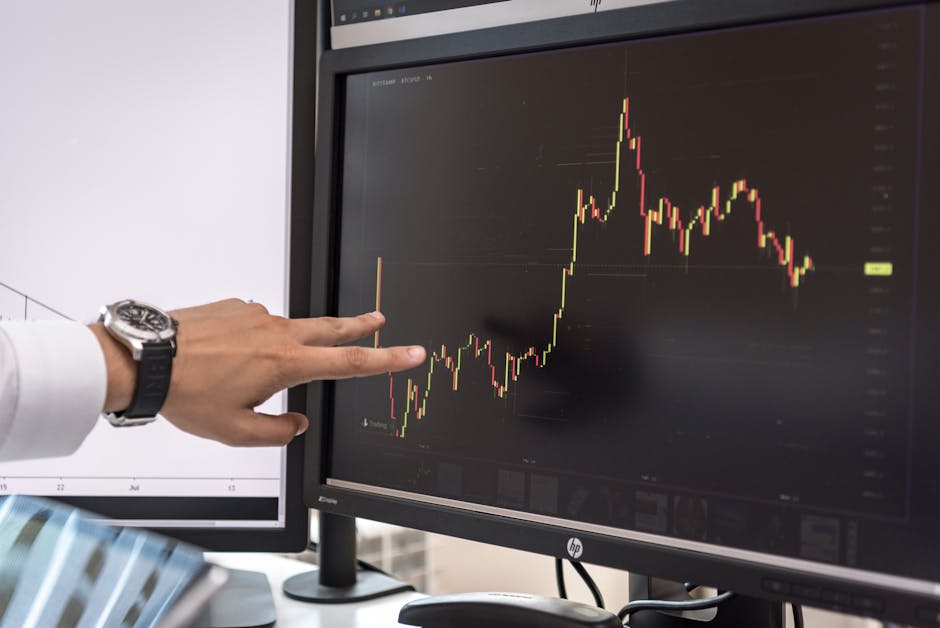
In a surprising turn of events, President Donald Trump's announcement regarding negotiations with Iran led to a dramatic stock market rally, adding $1.7 trillion in value within minutes.This surge, however, was short-lived as Iran quickly dismissed Trump's claims, calling him a liar and contributing to a swift reversal of market gains.
Sources:
fortune.comyahoo.comAt approximately 7 am ET, Trump took to Truth Social, declaring that the US and Iran had engaged in "very good and productive conversations" aimed at achieving a "complete and total resolution" of hostilities in the Middle East.He further instructed the Pentagon to pause military strikes on Iranian power plants and energy infrastructure for five days, a move that sent S&P 500 futures soaring nearly 4% from their lows.
Sources:
finance.yahoo.comaol.comThe initial market reaction was significant.The Dow Jones Industrial Average surged over 800 points, while the S&P 500 and Nasdaq Composite saw gains of 2-2.5%.Concurrently, crude oil prices plummeted by 15%, reflecting a market optimistic about potential de-escalation in the region.
Source:
yahoo.comHowever, the optimism was quickly tempered as Iran's state media reported there had been no such negotiations, labeling Trump's statements as a market manipulation tactic.An unnamed Iranian security official asserted that there were no communication lines between the two countries, leading to a swift reversal of half the market gains within hours.
Sources:
fortune.comfinance.yahoo.comThe situation highlights Trump's controversial negotiation style, often referred to as "TACO," which stands for "Trump Always Chickens Out." This term, coined by Financial Times columnist Robert Armstrong, describes Trump's pattern of making aggressive threats that cause market panic, followed by hasty reversals once the immediate crisis subsides.This tactic has consistently led to market volatility, as investors bet on Trump's tendency to backtrack from his positions.
Source:
yahoo.comTrump's latest maneuver follows a pattern reminiscent of his previous trade wars, where he would announce significant tariffs only to later negotiate lower rates, creating a cycle of market anxiety and recovery.Analysts suggest that this TACO approach has become a familiar strategy, one that investors have learned to navigate by buying into market dips, confident that Trump's tolerance for economic damage has its limits.
Sources:
fortune.comfinance.yahoo.comAs the political landscape evolves, the complexities of US-Iran relations remain uncertain.Trump claims that Iran desires a deal "badly" and pointed to discussions facilitated by envoys from Egypt, Pakistan, and Turkey.Yet, analysts question the viability of these negotiations, especially in light of the US-Israeli military actions that have decimated much of Iran's leadership.
Sources:
aol.comyahoo.comOil analysts express skepticism about the potential for lasting peace, warning that while Trump may attempt to declare victory, the realities of the situation—such as the continued disruption of oil flow through the Strait of Hormuz—pose significant challenges.Rory Johnston, an oil analyst, indicated that the ongoing loss of oil supply would eventually impact prices, regardless of Trump's public statements.
Sources:
finance.yahoo.comaol.comIn conclusion, while Trump's announcement on negotiations with Iran led to a fleeting stock market rally, the swift backlash from Iran and the complex geopolitical landscape suggest that lasting peace and stability remain elusive.Investors and analysts alike will be watching closely to see how this latest episode in Trump's ongoing TACO diplomacy unfolds amidst a backdrop of war and economic uncertainty.