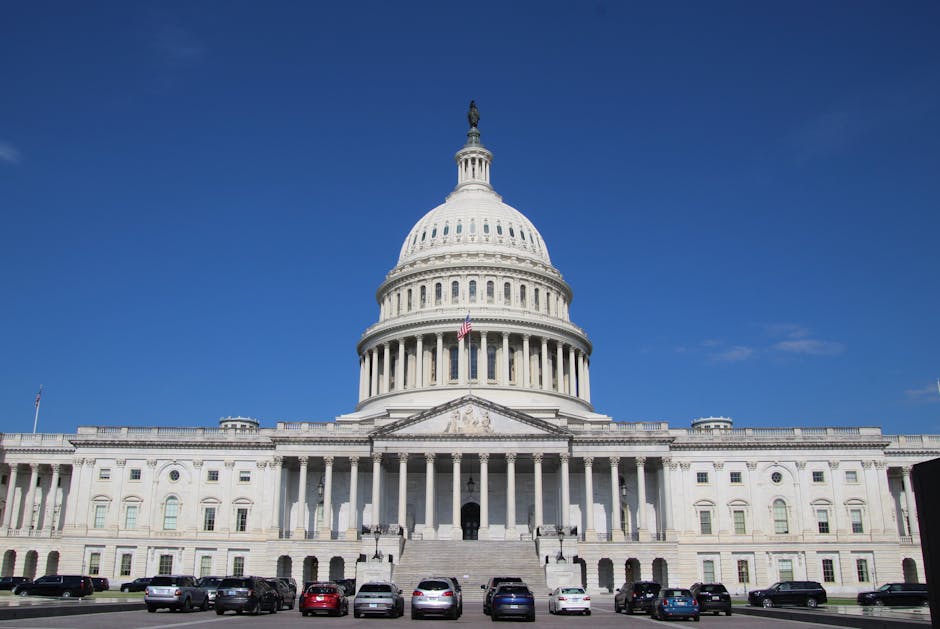
In a decisive action that could reshape the future of US environmental policy, the Trump administration has rescinded the 2009 endangerment finding that recognized carbon emissions as a threat to public health.This legal opinion has been foundational for over a decade, underpinning various federal regulations aimed at combating climate change, such as the Clean Car and Truck Standards.
Source:
courthousenews.comPresident Trump celebrated the repeal as "the single largest deregulatory action in American history," asserting that previous regulations had inflated car prices and diminished their quality.
Source:
courthousenews.comThe endangerment finding was originally established following a Supreme Court ruling in 2007, which granted the Environmental Protection Agency (EPA) authority to regulate greenhouse gases under the Clean Air Act.
Source:
courthousenews.comEnvironmental advocates have expressed outrage at this development, indicating that they will mount a vigorous legal challenge against the repeal.Fred Krupp, president of the Environmental Defense Fund, criticized the decision as a rejection of overwhelming scientific evidence linking climate pollution to health risks.
Source:
courthousenews.comHe emphasized the need for evidence-based action, promising to fight the administration's move in court.The implications of this repeal are profound, as it not only dismantles existing regulations but also sets a precedent that could hinder future administrations' efforts to implement climate policies.With the Supreme Court's recent rulings limiting the EPA's regulatory authority, including a decision that significantly weakened the agency's ability to regulate coal emissions, the landscape for environmental governance appears increasingly bleak.
Source:
courthousenews.comTrump's approach to climate policy has been characterized by a systematic rollback of regulations established during the Obama administration.This includes a wide range of actions from scrapping efficiency standards for light bulbs to dismantling the Clean Power Plan, which aimed to reduce carbon emissions from power plants.
Source:
grist.orgObservers warn that if such deregulatory efforts continue unchecked, they could lead to substantial increases in greenhouse gas emissions, further exacerbating the climate crisis.
Source:
grist.orgCritics of Trump's environmental agenda argue that the implications extend beyond just regulatory changes; they reflect a broader trend toward anti-democratic governance.As Trump consolidates power, questions arise regarding the erosion of checks and balances designed to protect democratic institutions.
Source:
americanprogress.orgIn light of these events, the urgency for climate action has never been clearer.The United States faces increasing environmental challenges, including extreme weather events and rising sea levels, which threaten both public safety and economic stability.
Source:
grist.orgPolitical scientists caution that the current political climate represents a critical juncture for climate reform, where decisive action could either mitigate or exacerbate the looming disaster of climate change.
Source:
grist.orgDespite the bleak outlook, environmental groups and grassroots movements remain resolute.They are mobilizing support to challenge the Trump administration's policies in court and advocate for sustainable alternatives.
Source:
courthousenews.comThe fight against climate change is now poised to enter a contentious legal and political arena, as advocates work to ensure that scientific evidence guides future policies rather than political agendas.In summary, the repeal of the endangerment finding marks a pivotal moment in the US climate policy landscape.As the Trump administration pushes forward with its deregulatory agenda, environmental advocates are gearing up for a legal battle that could define the future of climate action in the country.
Source:
courthousenews.comWith both immediate and long-term implications at stake, the stakes are higher than ever for public health and the environment.