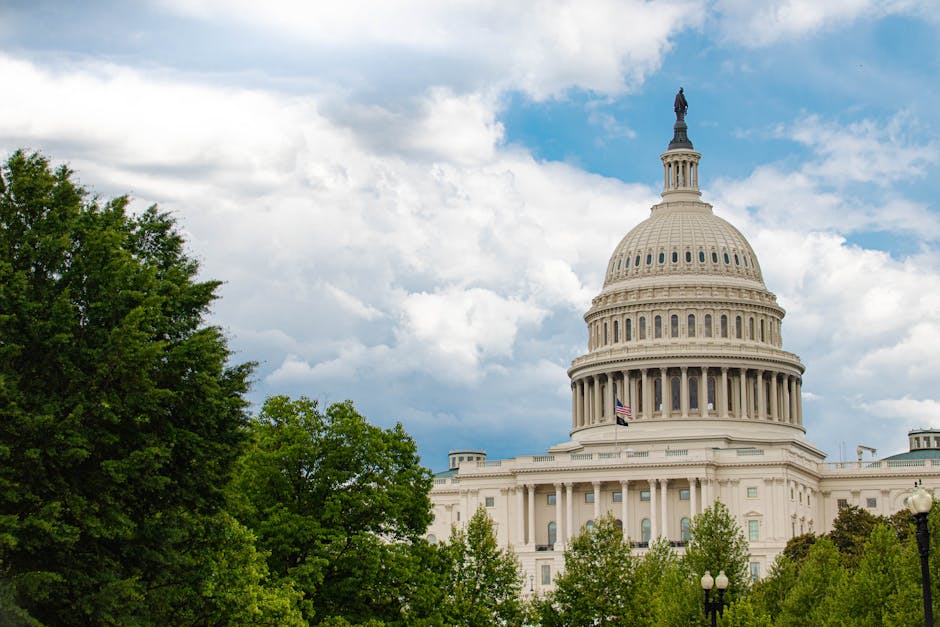
The Trump administration's Environmental Protection Agency (EPA) has officially repealed the Endangerment Finding, a significant regulatory action from the Obama era that classified carbon dioxide (CO2) as a pollutant.This repeal is touted by supporters as a necessary step towards enhancing US energy independence and restoring a sense of common sense in climate-related regulations.
Source:
washingtontimes.comCritics of the repeal, including the Union of Concerned Scientists, have issued strong statements condemning the decision.Their essay highlighted concerns that the repeal is "wrong on statute, deceptive on science, and reckless on impacts." They argue that the classification of CO2 as a pollutant is crucial for regulating emissions and addressing climate change effectively.
Source:
washingtontimes.comThe Endangerment Finding was pivotal in allowing the EPA to regulate greenhouse gases under the Clean Air Act.By removing this finding, the Trump administration aims to weaken federal oversight that many believe is essential for combating climate-related issues.
Source:
washingtontimes.comProponents of the repeal, however, emphasize that carbon dioxide should not be treated as a pollutant.Jim Lakely from The Heartland Institute stated, "Carbon dioxide is not a pollutant.Never was." This perspective suggests that the regulation of CO2 has been excessively intrusive, impacting numerous aspects of daily life, including regulations that would force vehicles to shut off when idling.
Source:
washingtontimes.comThe media response to the repeal has been mixed.Outlets like CNN have framed the repeal as a significant rollback of the EPA's regulatory capabilities, referencing a Supreme Court ruling that initially allowed the agency to regulate climate pollution.Critics argue that this narrative misrepresents the intent of the repeal, which they claim is merely a retraction of overreach rather than a dismantling of necessary regulatory powers.
Source:
washingtontimes.comAs climate change continues to be a pressing global issue, the reduction in media coverage regarding climate-related developments raises questions about public engagement and awareness.
Source:
mecco.colorado.eduIn 2025, a notable decline in climate coverage was observed, with a 14% decrease from the previous year, indicating a potential shift in public perception and media priorities.
Source:
mecco.colorado.eduThe implications of the repeal extend beyond regulatory frameworks; they also touch on broader themes of governance and public policy.By reinstating what supporters call "common sense" policies, the Trump administration is positioning itself against what it characterizes as "leftist lunacy" regarding climate action.
Source:
washingtontimes.comIn summary, the repeal of the Endangerment Finding marks a significant shift in US climate policy, reflecting ongoing debates about the balance between environmental regulation and economic freedom.As the administration pushes for increased energy independence, it faces scrutiny from environmental advocates concerned about the long-term impacts on climate change and public health.
Sources:
washingtontimes.commecco.colorado.eduFor those interested in the ongoing discussions surrounding climate policy and its implications, further insights can be found in various media outlets and environmental podcasts, which continue to explore the ramifications of such regulatory changes on both national and global scales.
Source:
washingtontimes.comWith the landscape of climate policy shifting, the coming years will be crucial for understanding how these changes will affect both the environment and the economy.