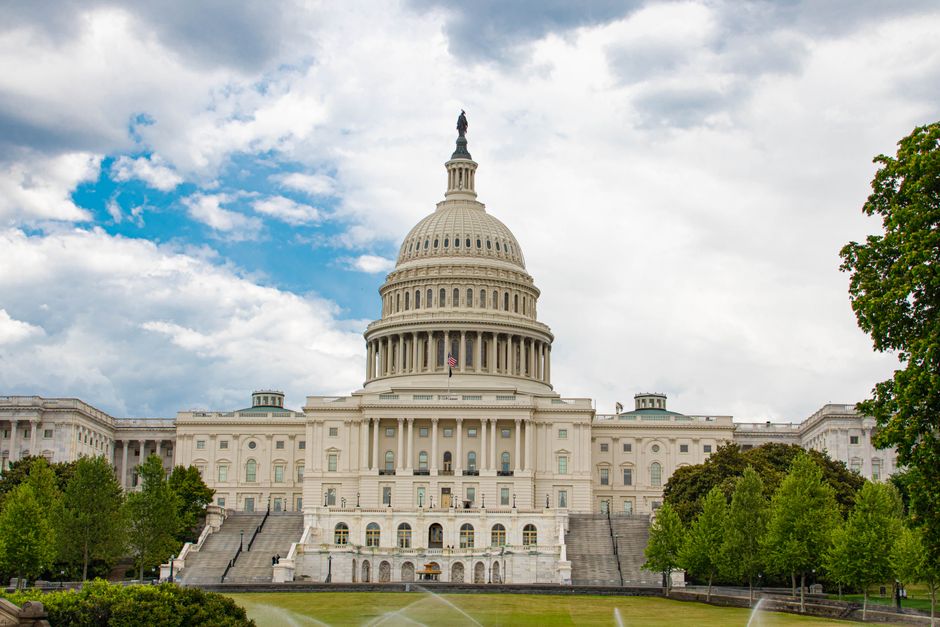
In recent months, President Trump has expressed a desire for Congress to establish a unified framework for regulating artificial intelligence (AI), particularly as states have begun enacting their own laws in the absence of federal action.This push comes amid concerns that varying state regulations could hinder innovation and create confusion for tech companies operating across state lines.
Source:
npr.orgState lawmakers, including some from Trump's own party, are increasingly frustrated by the lack of federal direction.Many states have taken it upon themselves to create regulations aimed at ensuring child safety, increasing transparency in technology, and providing whistleblower protections.
Source:
nprillinois.orgFor instance, the SAFECHAT Act in Pennsylvania requires AI companies to implement safeguards to prevent harmful content from their chatbots.
Source:
nprillinois.orgDespite these efforts, the Trump administration has actively pushed back against state legislation.Michael Kratsios, the head of the White House Office of Science and Technology Policy, emphasized that a cohesive national framework is essential for fostering an environment conducive to innovation.
Source:
nprillinois.orgHe stated, “We want to create an environment where innovators have certainty about the way that they can develop their products and it's something only Congress can provide.”.The administration's recent regulatory framework outlines principles for AI governance, focusing on protecting children and consumers while addressing the rising costs associated with data centers.
Source:
npr.orgHowever, state lawmakers have voiced concerns about the lack of detail in these proposals.Riki Parikh, policy director at the Alliance for Secure AI, remarked that while a federal standard is preferable to a fragmented state approach, the administration's current framework falls short in holding tech companies accountable and addressing job displacement issues.
Source:
nprillinois.orgUtah State Representative Doug Fiefia, who attempted to introduce a bill for greater transparency in AI practices, described the resistance he faced from the Trump administration.He noted that a memo from the White House indicated opposition to his proposed legislation, which ultimately did not proceed to a vote.
Source:
npr.orgFiefia highlighted the challenges posed by congressional gridlock, asserting that states must step in to protect their citizens, especially regarding child safety.
Source:
nprillinois.orgOther Republican lawmakers echo this sentiment, stating that state governments can react more swiftly to emerging issues than the federal government.Pennsylvania State Senator Tracy Pennycuick acknowledged, “I think states are the first ones to see when there's a problem and they have the ability to pivot and act quickly.” This sentiment is shared by Texas State Senator Angela Paxton, who expressed the need for state laws while awaiting comprehensive federal legislation.
Source:
nprillinois.orgThe mixed reactions to the White House’s framework extend to the public as well, with a significant number of Americans believing that the Trump administration is too closely aligned with Big Tech.
Source:
nprillinois.orgPolling indicates that even within Republican circles, there is strong support for regulating AI technologies.
Source:
nprillinois.orgOn Capitol Hill, while some Republican senators have shown support for Trump's framework, concrete legislative movement remains elusive.Senator Marsha Blackburn has stated her intention to expand upon the administration's proposals with her own TRUMP AMERICA AI Act, aiming to create laws that protect Americans while fostering AI innovation.
Source:
nprillinois.orgThe White House maintains that productive discussions with Congress are ongoing, but the path forward remains uncertain as states continue to take the initiative in regulating AI technologies.
Sources:
npr.orgnprillinois.orgIn conclusion, as the debate over AI regulation unfolds, the tensions between federal aspirations and state actions highlight the complexities of governance in an era of rapid technological advancement.The outcome of this legislative struggle could significantly shape the future landscape of AI in the United States.