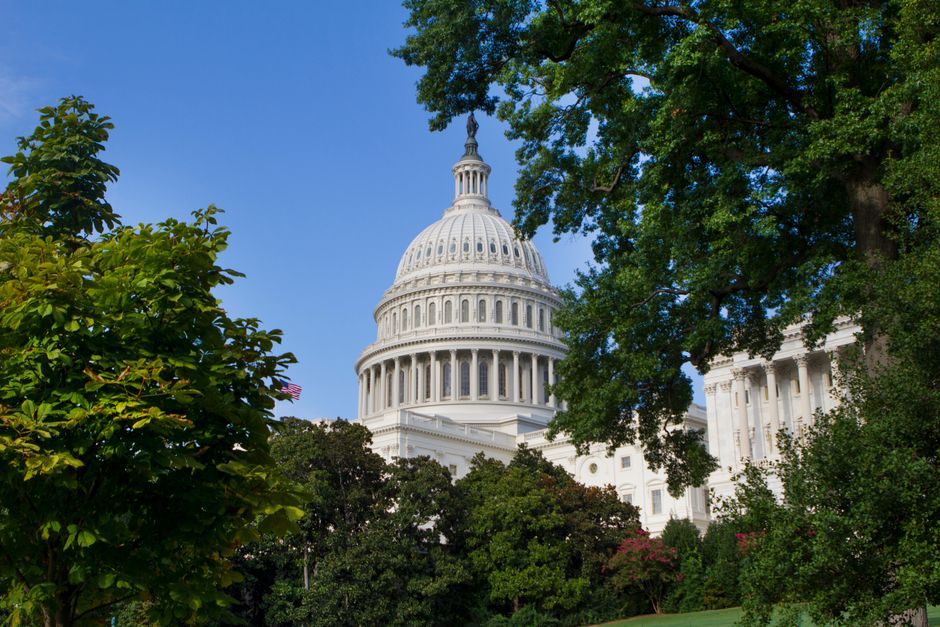
The Trump administration has taken a controversial step by revoking the endangerment finding, a scientific conclusion from 2009 that established greenhouse gases as a threat to public health and welfare.This decision effectively eliminates the federal government's authority to regulate emissions from major pollution sources, including cars and power plants, which are significant contributors to climate change.
Sources:
wral.comopb.orgPresident Trump characterized the repeal as "the single largest deregulatory action in American history," claiming it would save businesses approximately $1 trillion.
Source:
gvwire.comHowever, critics argue that this action disregards decades of scientific consensus regarding the dangers of climate change and undermines efforts to transition to renewable energy sources.
Sources:
opb.orgwashingtonpost.comThe endangerment finding had been the backbone of various climate regulations under the Clean Air Act, allowing the Environmental Protection Agency (EPA) to impose limits on greenhouse gas emissions.
Source:
opb.orgBy rescinding this finding, the administration could potentially introduce up to 18 billion metric tons of additional emissions into the atmosphere by 2055, according to estimates from the Environmental Defense Fund.
Source:
gvwire.comThis increase could lead to as many as 58,000 premature deaths and exacerbate respiratory issues, such as asthma attacks, affecting millions of Americans.
Sources:
wral.comgvwire.comEnvironmental leaders and Democratic governors have pledged to challenge this decision in court, asserting that it not only contradicts established science but also poses a direct threat to public health.
Source:
gvwire.comCalifornia Governor Gavin Newsom stated, "If this reckless decision survives legal challenges, it will lead to more deadly wildfires, more extreme heat deaths, and greater threats to communities nationwide.".
Source:
gvwire.comThe legal rationale for the repeal hinges on the argument that the Clean Air Act only permits regulation of pollution that causes direct harm "near the source." Given that greenhouse gases accumulate in the atmosphere, this assertion has raised concerns among legal experts and environmental advocates about its validity.
Sources:
opb.orgwashingtonpost.comThe implications of this decision extend beyond immediate health concerns.The rollback of these regulations is viewed as a crucial moment for conservative and industry groups who have long sought to dismantle federal climate policy.
Source:
washingtonpost.comBy targeting the endangerment finding, the Trump administration aims to prevent future administrations from reinstating similar regulations, fundamentally altering the landscape of US climate policy.
Sources:
opb.orgwashingtonpost.comCritics, including former EPA administrators and public health advocates, have condemned the administration's approach as reckless, arguing that it prioritizes short-term economic gains over long-term environmental sustainability.
Source:
opb.orgGina McCarthy, a former EPA administrator, remarked that the EPA's current direction reflects a desire to serve the fossil fuel industry rather than protect public health.
Sources:
opb.orggvwire.comThe repeal also arrives at a time when the US faces heightened climate challenges, including more frequent and severe weather events linked to rising global temperatures.The scientific community warns that ignoring these realities will only exacerbate the risks associated with climate change, such as increased flooding, wildfires, and extreme heat.
Sources:
gvwire.comwashingtonpost.comAs the nation grapples with these significant changes, environmental groups have indicated their intent to fight back through legal channels.They argue that the evidence supporting the endangerment finding has only strengthened over time, making the administration's decision not only scientifically unfounded but also legally dubious.
Sources:
opb.orgwashingtonpost.comThe Trump administration's move to erase the government's power to combat climate change marks a pivotal shift in US environmental policy, raising critical questions about the future of climate action and public health in the face of evolving climate threats.
Sources:
opb.orggvwire.comWith the ongoing legal battles likely to escalate, the ramifications of this decision will be closely watched as states and environmental organizations prepare to challenge the administration's authority and protect public health in a warming world.