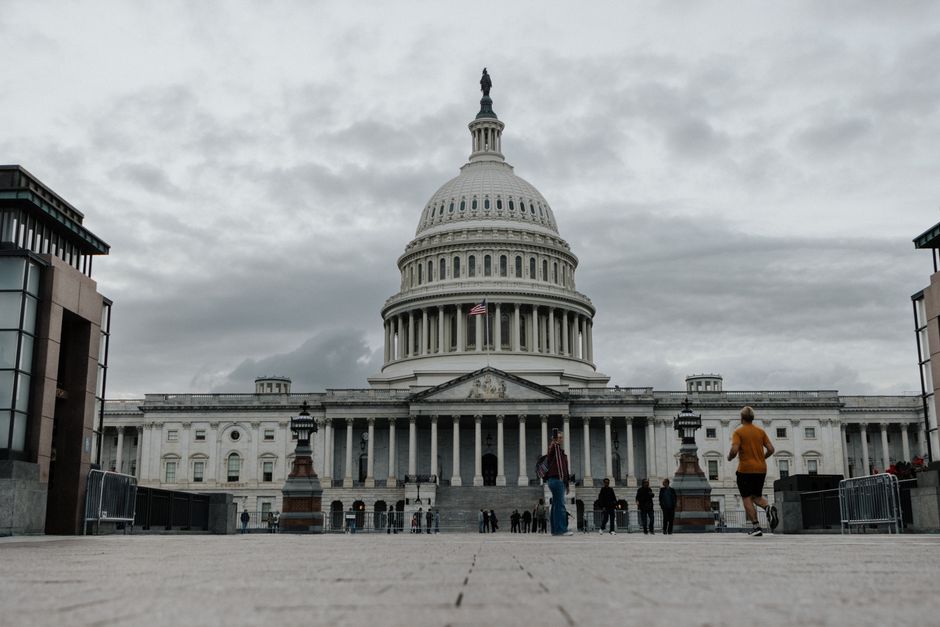
The Trump administration has officially revoked the endangerment finding, a pivotal 2009 scientific conclusion that determined greenhouse gases pose a serious threat to public health and the environment.This decision effectively ends the federal government's legal authority to regulate emissions from major sources, including vehicles and power plants, which play a significant role in climate change.
Sources:
wral.comopb.orgPresident Trump characterized the repeal as "the single largest deregulatory action in American history," claiming it would save businesses approximately $1 trillion.
Source:
gvwire.comThe endangerment finding had been the foundation of US climate policy, allowing the Environmental Protection Agency (EPA) to impose limits on pollutants such as carbon dioxide and methane.
Source:
sltrib.comBy eliminating this regulation, the administration is expected to result in an additional 18 billion metric tons of greenhouse gases being released into the atmosphere by 2055, a volume roughly three times that of the emissions recorded last year.
Sources:
wral.comwashingtonpost.comEnvironmental advocates warn that this could lead to as many as 58,000 premature deaths and 37 million asthma attacks over the same period.
Source:
gvwire.comThe move is widely seen as a culmination of efforts by conservative activists and fossil fuel interests to dismantle federal efforts aimed at transitioning the country away from fossil fuels.
Source:
opb.orgTrump has long referred to climate change as a "hoax," dismissing the scientific consensus that has been accepted by leaders from both parties for decades.
Source:
sltrib.comEPA Administrator Lee Zeldin echoed Trump's sentiments, stating that the endangerment finding had been misused to enact "heavy-handed climate policies" that stifle economic growth and consumer choice.
Source:
washingtonpost.comThis stance aligns with the interests of certain business groups that supported the rollback, although many others expressed concern over potential legal complications arising from state-level regulations on greenhouse gases.
Source:
sltrib.comEnvironmental groups and Democratic governors have vowed to challenge this decision in court, with California Governor Gavin Newsom asserting the state will continue to regulate greenhouse gases independently.
Sources:
gvwire.comopb.orgLegal experts note that if the repeal is upheld, it could hinder future administrations from reinstating important climate protections.
Source:
washingtonpost.comThe scientific basis for the endangerment finding has only strengthened over time, as numerous studies have linked greenhouse gas emissions to increasing instances of extreme weather events, health issues, and economic damages.
Sources:
opb.orgsltrib.comCritics of the repeal argue that the decision disregards the escalating threats posed by climate change, including rising temperatures, worsening natural disasters, and increased health risks from pollution.
Source:
washingtonpost.comAs the world grapples with the consequences of climate change, the US stands as the second-largest climate polluter globally, a position that underscores the significance of national policies in addressing this critical issue.
Source:
wral.comThe decision to repeal the endangerment finding marks a significant pivot away from established climate science and federal responsibility, raising alarms about the future of environmental regulation in the United States.
Sources:
sltrib.comwashingtonpost.comThe outcome of this legal battle could have lasting implications for US climate policy, as the Trump administration's actions may set a precedent for limiting federal authority over pollution regulations.Environmentalists and public health advocates are preparing for a protracted fight to restore protections that they argue are essential for safeguarding public health and the environment.
Sources:
opb.orgwashingtonpost.comIn conclusion, the Trump administration's repeal of the endangerment finding represents a critical juncture in US climate policy, reflecting a broader ideological struggle over environmental regulation and public health.As legal challenges loom, the future of climate action in the United States remains uncertain.