The Trump administration has taken a significant step toward deregulating environmental protections by revoking the endangerment finding, a critical scientific declaration that identifies greenhouse gas emissions as a threat to public health and the environment.
Sources:
opb.orgwral.comThis decision marks the administration's most aggressive action to dismantle climate regulations, effectively erasing the federal government's authority to manage pollution that contributes to climate change.
Source:
wral.comThe endangerment finding, established in 2009, has been the legal foundation for climate-related regulations under the Clean Air Act, impacting emissions from motor vehicles, power plants, and other sources of pollution.
Source:
opb.orgWith its repeal, President Trump described the action as "the single largest deregulatory action in American history," framing it as a move toward economic sanity.
Source:
theguardian.comCritics argue that this rollback will lead to dire consequences.According to the Environmental Defense Fund, the repeal could result in an additional 18 billion metric tons of greenhouse gas emissions by 2055, which is approximately three times the amount emitted in the previous year.
Sources:
wral.comgvwire.comThis increase in pollution may be linked to up to 58,000 premature deaths and 37 million asthma attacks during the same period.
Sources:
wral.comtheguardian.comEnvironmental advocates have condemned the repeal as a substantial attack on federal authority to implement climate change policies.Democratic governors and environmental organizations have vowed to challenge the decision in court, asserting that it disregards overwhelming scientific evidence linking greenhouse gases to public health risks.
Sources:
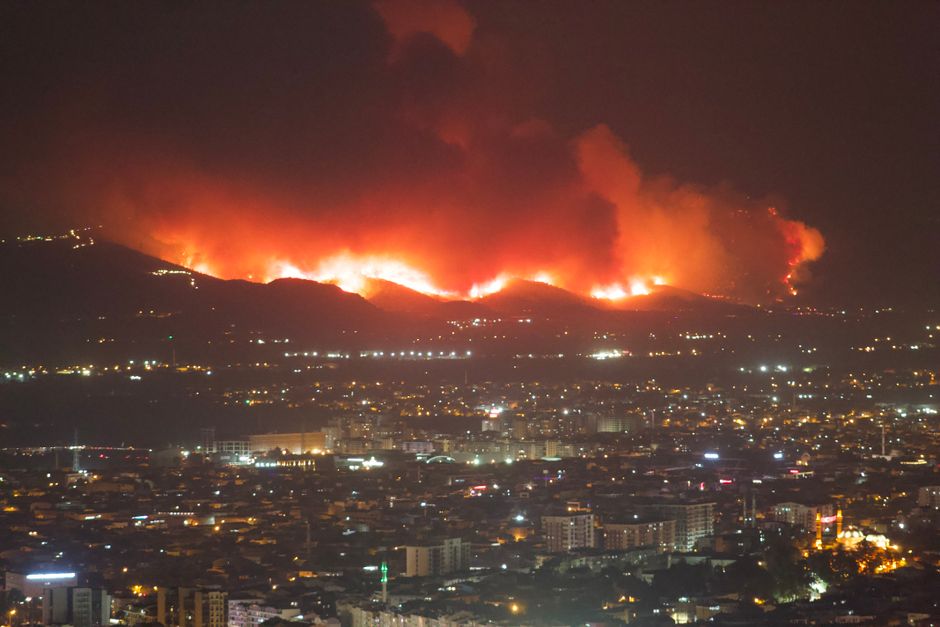
wral.comgvwire.comCalifornia Governor Gavin Newsom stated that the decision could exacerbate climate-related disasters, including wildfires and severe weather events, and pledged to sue the administration.
Source:
gvwire.comThe legal implications of the repeal are significant.The Supreme Court previously upheld the endangerment finding in the 2007 case Massachusetts v.EPA, affirming that greenhouse gases qualify as air pollutants under the Clean Air Act.
Source:
pbs.orgEnvironmental experts warn that if the repeal is upheld in court, it could prevent future administrations from reinstating critical regulations to combat climate change.
Sources:
theguardian.compbs.orgEPA Administrator Lee Zeldin, who supported the repeal, claimed it would save businesses an estimated $1 trillion, although the administration has not provided a detailed explanation of this figure.
Sources:
theguardian.compbs.orgHowever, many experts suggest that the long-term health and environmental costs associated with increased pollution could far outweigh any short-term economic benefits.
Source:
gvwire.comThe rollback of the endangerment finding also aligns with broader trends in the Trump administration's environmental policy, which has consistently favored fossil fuel interests over renewable energy initiatives.
Source:
wral.comTrump has frequently dismissed climate change as a hoax and has promoted policies that facilitate the continued use of coal, oil, and gas.
Sources:
wral.comgvwire.comMoreover, the repeal raises concerns about the future of US climate policy.The Biden administration had aimed to tighten regulations on tailpipe emissions to promote electric vehicle adoption and reduce the transportation sector's carbon footprint, which is the largest source of greenhouse gas emissions in the country.
Sources:
wral.compbs.orgWith the endangerment finding rescinded, the path for such initiatives becomes increasingly uncertain, leaving millions of Americans vulnerable to the impacts of climate change.
Sources:
opb.orgtheguardian.comIn summary, the Trump administration's decision to revoke the endangerment finding signifies a pivotal shift in US climate policy, with far-reaching implications for public health and environmental sustainability.As legal battles loom, the outcome will likely shape the future direction of climate action in the United States.