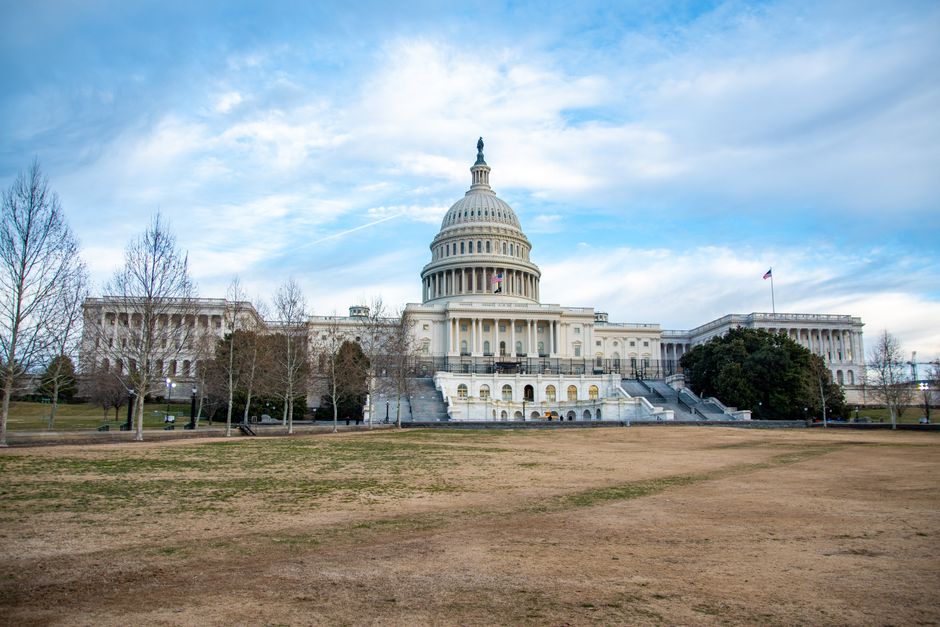
In a significant shift in US climate policy, the Trump administration has announced plans to repeal the 2009 endangerment finding, a critical scientific determination that allows for the regulation of greenhouse gases under the Clean Air Act.
Sources:
theguardian.compbs.orgThis decision marks what the White House describes as the largest deregulatory action in American history.
Source:
theguardian.comThe endangerment finding established that carbon dioxide and other greenhouse gases pose a risk to public health and welfare, providing the legal basis for numerous climate regulations.
Sources:
eenews.netnpr.orgEnvironmental Protection Agency (EPA) Administrator Lee Zeldin stated that this move is intended to end "sixteen years of uncertainty for automakers and American consumers," suggesting it will reduce regulatory burdens on various industries.
Source:
npr.orgCritics, including several environmental advocacy groups, have condemned the proposed rollback, arguing it will exacerbate the already escalating climate crisis.Meredith Hankins, federal climate legal director at the Natural Resources Defense Council, warned that the repeal would be a "devastating blow" to those facing the risks of climate change.
Source:
theguardian.comEnvironmental activists have pledged to challenge the repeal in court, asserting that the Trump administration's arguments lack scientific merit.
Sources:
theguardian.compbs.orgThe implications of this repeal are far-reaching.The endangerment finding is foundational for regulations impacting vehicles, power plants, and other significant sources of greenhouse gas emissions.
Source:
eenews.netWithout it, experts fear that existing limits on emissions could be easily overturned, allowing for increased pollution that could lead to severe health and environmental consequences.
Sources:
abc7news.comnpr.orgIn announcing the proposed rule change, Zeldin characterized the endangerment finding as a product of "the climate change religion," suggesting that it has imposed unnecessary economic burdens on Americans.
Sources:
pbs.orgnpr.orgHe emphasized that the repeal aims to promote economic growth and energy independence by reducing regulations seen as detrimental to the economy.
Source:
npr.orgHowever, environmental experts stress that the proposed changes could lead to substantial climate damages and healthcare costs, far outweighing any purported economic benefits.
Source:
theguardian.comThe EPA's own analysis previously indicated that the climate regulations under scrutiny could prevent tens of thousands of deaths and save the US billions each year.
Source:
theguardian.comThe proposed rollback follows an executive order signed by Trump on his first day back in office, which directed the EPA to review the endangerment finding's legality.
Sources:
theguardian.comnpr.orgThis order aligns with broader efforts by the Trump administration to dismantle regulatory frameworks established during the Obama administration, which many Republicans have criticized as overreaching.
Source:
eenews.netLegal experts are skeptical about the administration's ability to successfully repeal the endangerment finding, citing the 2007 Supreme Court ruling in Massachusetts v.EPA, which affirmed the agency's authority to regulate greenhouse gases as pollutants.
Source:
abc7news.comSome believe that attempts to undermine this ruling could face significant legal challenges, potentially hindering the administration's agenda.
Source:
abc7news.comAs the administration moves forward with its proposal, public comments will be solicited prior to finalizing the rule, allowing for potential input from concerned citizens and organizations.
Sources:
pbs.orgabc7news.comEnvironmental advocates have already indicated that they will mobilize to contest the rule both in public forums and in court, emphasizing the importance of maintaining regulations that protect public health and the environment.
Sources:
theguardian.compbs.orgIn summary, the Trump administration's intent to repeal the endangerment finding reflects a broader ideological commitment to deregulation, prioritizing economic interests over environmental protection.However, the potential fallout from this decision could have lasting impacts on climate policy and public health in the United States.