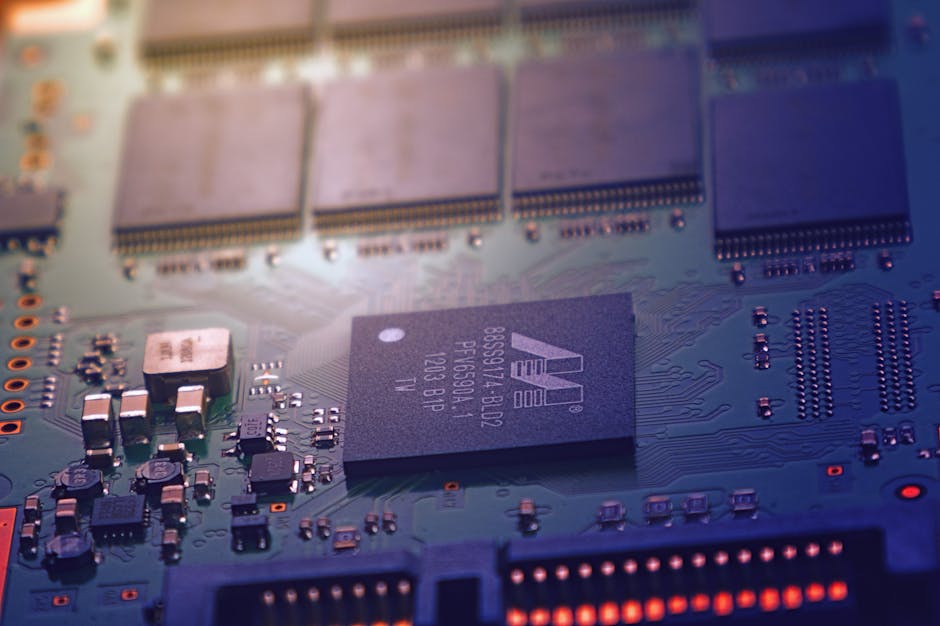
Three men have been indicted for allegedly conspiring to smuggle Nvidia AI chips into China, a violation of US export control laws.This scheme, which reportedly involved billions of dollars’ worth of technology, was executed through deceptive practices, including the use of fake documents and shell companies to obscure the true destination of the chips.
Sources:
uk.finance.yahoo.comtheregister.comThe defendants are Yih-Shyan "Wally" Liaw, a senior vice president and board member of Super Micro Computer; Ruei-Tsang "Steven" Chang, a sales manager based in Taiwan; and Ting-Wei "Willy" Sun, a contractor for the company.
Sources:
uk.finance.yahoo.comkiro7.comAccording to the indictment unsealed in Manhattan federal court, the conspiracy began around 2024 and involved diverting at least $2.5 billion worth of computer servers equipped with Nvidia graphics processing units (GPUs) to China.
Source:
kiro7.comProsecutors allege that the individuals utilized a complex web of lies and concealments to execute their plan.They reportedly directed a Southeast Asian company to place orders for these servers and employed falsified documentation to hide the final destination of the products.
Sources:
uk.finance.yahoo.comtheregister.comThe indictment describes the operation as increasingly brazen, with at least $510 million worth of servers being shipped to China after assembly in the US.
Source:
kiro7.comThe US Department of Justice (DOJ) emphasizes that this type of smuggling poses a significant threat to national security, as advanced AI technology is critical for military modernization and surveillance efforts in China.
Source:
theregister.comThe DOJ has noted that this case is part of broader efforts to disrupt illicit channels for exporting high-end technology to nations with restrictive export policies.
Source:
theregister.comSuper Micro Computer has publicly stated that the actions of its employees contravened company policies and compliance controls.The company has pledged to cooperate fully with the ongoing investigation.
Sources:
uk.finance.yahoo.comkiro7.comNvidia has also reiterated its commitment to strict compliance with export regulations, emphasizing that any diversion of its technology is a serious violation.
Source:
kiro7.comThe indictment comes at a time when the US is tightening restrictions on exports of advanced technologies, particularly to China, which is seen as a competitor in the AI race.
Source:
kiro7.comThis situation reflects a growing concern regarding the control of cutting-edge technology and its implications for global security dynamics.The US has imposed stringent regulations on the sale of Nvidia’s most advanced chips, aimed at preventing their use in military applications by adversarial nations.
Source:
kiro7.comAs the case unfolds, it highlights the challenges facing US authorities in enforcing export controls, particularly in the fast-evolving tech landscape.
Source:
cnas.orgAuthorities have observed a significant increase in smuggling attempts of sensitive technology, with numerous reports indicating that such activities are rampant despite legal restrictions.
Source:
cnas.orgThe growing sophistication of smuggling operations raises questions about the effectiveness of current enforcement measures and the need for enhanced oversight.
Source:
cnas.orgIn conclusion, the charges against Liaw, Chang, and Sun underscore the ongoing battle between US efforts to control advanced technology exports and the determined attempts by some individuals to circumvent these regulations.As investigations continue, the implications for both national security and international technology trade will be closely monitored.