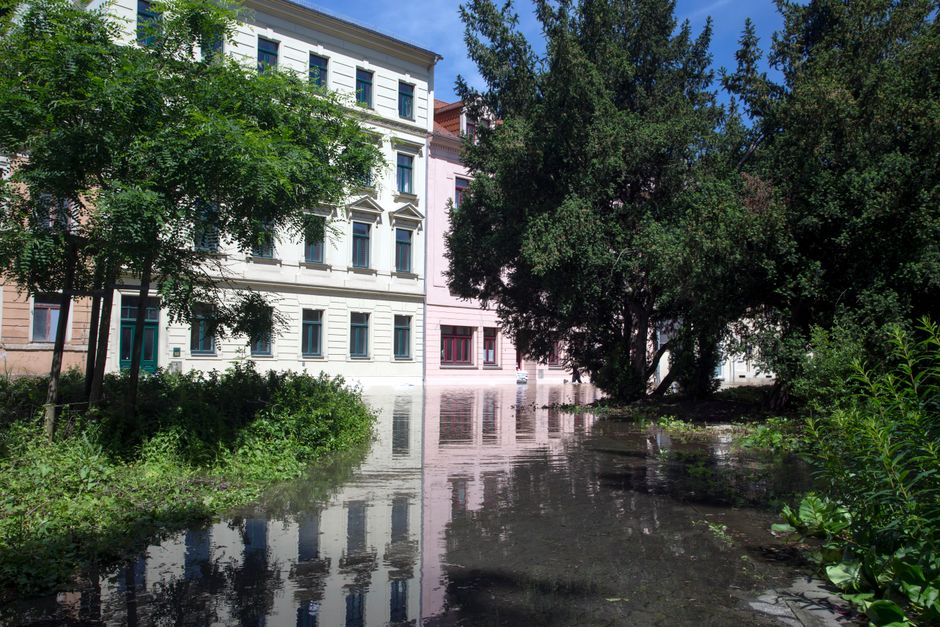
Climate change is increasingly recognized as a global health and human rights crisis, disproportionately affecting vulnerable populations worldwide.From coastal Bangladesh to drought-stricken Sub-Saharan Africa and the sinking Pacific Islands, the ramifications of climate change are far-reaching and deeply troubling, demanding immediate action to address these urgent issues.
Source:
vocal.mediaIn Bangladesh, rising sea levels and salinity intrusion have devastated agricultural productivity, particularly in coastal regions like Satkhira.The salinization of fertile land has led to widespread crop failures, exacerbating food insecurity and malnutrition, particularly among children under five years old.The Bangladesh Department of Environment reports that these changes have resulted in a surge of health-related incidents, particularly respiratory diseases and diarrhea, as contaminated water supplies and extreme heat exacerbate these health challenges.
Source:
vocal.mediaWomen, in particular, are burdened with the task of fetching water, often traveling long distances and exposing themselves to health risks and harassment.
Source:
vocal.mediaSub-Saharan Africa faces similar challenges, where climate-induced drought has led to significant reductions in crop yields.In Somalia, for instance, the UN Food and Agriculture Organization (FAO) reported a staggering 40% decrease in crop yields in 2023 alone.As families are forced to migrate in search of arable land, they often end up in overcrowded settlements where infectious diseases thrive.UNICEF has documented over a 30% increase in malnutrition rates among displaced children, highlighting the urgent need for healthcare resources in these overwhelmed systems.
Source:
vocal.mediaThe Pacific Islands are confronting an existential threat as rising seas erode freshwater sources and arable land, leading to massive displacement.Communities in places like Kiribati and the Marshall Islands are being forced to abandon their ancestral homes, violating fundamental human rights such as the right to housing, food, and education.The emotional toll of losing one’s home and cultural identity is manifesting in increased rates of anxiety and depression among island residents, a concern that has reached alarming levels as reported by The Guardian.
Source:
vocal.mediaThe health inequities arising from climate change are not only environmental but also deeply rooted in social and structural disparities.Vulnerable groups, including women, ethnic minorities, and low-income households, are often left without adequate access to healthcare, sanitation, and government support.Human Rights Watch highlights that these populations face heightened risks from climate-related health impacts due to systemic inequalities in power and resources.
Source:
ncbi.nlm.nih.govData indicates that the health consequences of climate change will continue to escalate.In Bangladesh, the annual healthcare costs associated with climate-linked health issues are estimated to reach $150 million, underscoring the urgent need for effective interventions to mitigate these impacts.Rising CO₂ emissions in vulnerable regions have also contributed to increasing global temperatures, leading to a 15% rise in heat-related mortality over just five years.
Source:
vocal.mediaEfforts to address these challenges are complicated by legal and policy failures.Although international agreements like the Paris Agreement provide a framework for action, they often lack the enforcement mechanisms needed to ensure effective implementation.Governments must prioritize integrated climate-health policies that address both immediate needs and long-term adaptation strategies.International organizations such as the WHO and UNHCR must also play a crucial role in monitoring and enforcing climate and human rights frameworks.
Source:
vocal.mediaAddressing the unseen toll of climate change requires a collective responsibility.Governments must implement climate-sensitive health policies, enhance healthcare infrastructure in vulnerable areas, and ensure safe drinking water access for all citizens.International organizations should prioritize funding for health interventions and support vulnerable populations in adaptation efforts.Civil society and the media must amplify the voices of those most affected, ensuring their stories are heard by decision-makers.
Source:
ncbi.nlm.nih.govAs climate change continues to pose significant threats to health and human rights, it is crucial that we recognize the interconnectedness of these issues.The time for immediate, coordinated action is now, as the health and well-being of millions depend on our collective response to this global crisis.By prioritizing the needs of the most vulnerable, we can work towards a more equitable future that protects both health and human rights in the face of climate change.