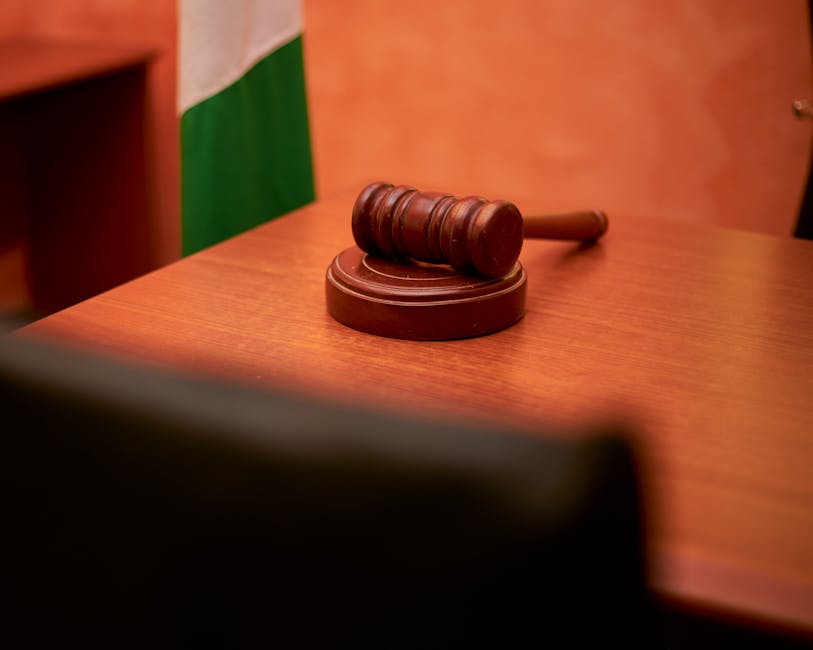
The US Supreme Court has issued a ruling that could significantly affect Republican efforts to maintain control of Congress in the upcoming midterm elections.The court sided with Republican Representative Nicole Malliotakis, allowing her to revive the boundaries of her congressional district in Staten Island, New York, which had previously been blocked due to claims of racial discrimination.
Sources:
usnews.comca.news.yahoo.comThe decision comes amid a contentious political landscape, where Republicans are striving to retain their narrow majority in the House of Representatives, currently at 218-214.Losing control could jeopardize former President Donald Trump's legislative agenda and expose him to increased scrutiny from Democratic-led investigations.
Source:
ca.news.yahoo.comIn January, New York state Supreme Court Justice Jeffrey Pearlman ruled that the district's configuration unfairly diluted the voting power of Latino and Black constituents.This ruling prompted appeals from Malliotakis and the state's board of elections, leading to the Supreme Court's intervention.
Source:
usnews.comJustice Samuel Alito, representing the court's conservative majority, criticized Pearlman's order, arguing that it constituted racial discrimination itself, violating the Equal Protection Clause of the 14th Amendment.Alito's opinion highlighted that the state’s redistricting commission should not be mandated to create districts favoring minority voters, a practice he described as "odious.".
Sources:
usnews.comca.news.yahoo.comIn contrast, Justice Sonia Sotomayor, joined by the court's two other liberal justices, dissented, asserting that the Supreme Court had overstepped by intervening before the state appeals process had fully unfolded.She cautioned that this ruling could set a precedent for the court to meddle in election law disputes across the nation.
Source:
ca.news.yahoo.comThe ruling is seen as a critical moment for Republicans, as they aim to secure every possible seat in the midterms.With the stakes raised, the outcome of Malliotakis' reelection bid is viewed as vital for the party's retention of congressional power.
Sources:
usnews.comca.news.yahoo.comMarina Jenkins, executive director of the National Democratic Redistricting Committee, condemned the court's decision, labeling it an unprecedented breach of judicial principles.She argued that the ruling could skew future elections in favor of Republican interests.
Source:
usnews.comThe case highlights the ongoing national struggle over redistricting, as states navigate the complex process of drawing electoral maps that can significantly influence electoral outcomes.Following the 2020 census, various states, including Texas and California, have also engaged in redistricting efforts that have led to legal challenges and Supreme Court rulings.
Source:
ca.news.yahoo.comAs the midterm elections approach, the landscape remains uncertain, with both parties vying for an advantage in shaping district boundaries.The Supreme Court's ruling in this case may serve as a catalyst for further legal battles over redistricting in other states, as both Republicans and Democrats seek to leverage any potential advantages in the electoral maps.
Sources:
usnews.comnpr.orgThe implications of this ruling extend beyond New York, as it underscores the contentious nature of congressional redistricting in the US and the significant role that judicial decisions play in shaping the political landscape.
Sources:
npr.orgstatecourtreport.orgWith the elections on the horizon, all eyes will be on how this decision impacts not only Malliotakis' district but also the broader dynamics of the upcoming congressional races across the nation.