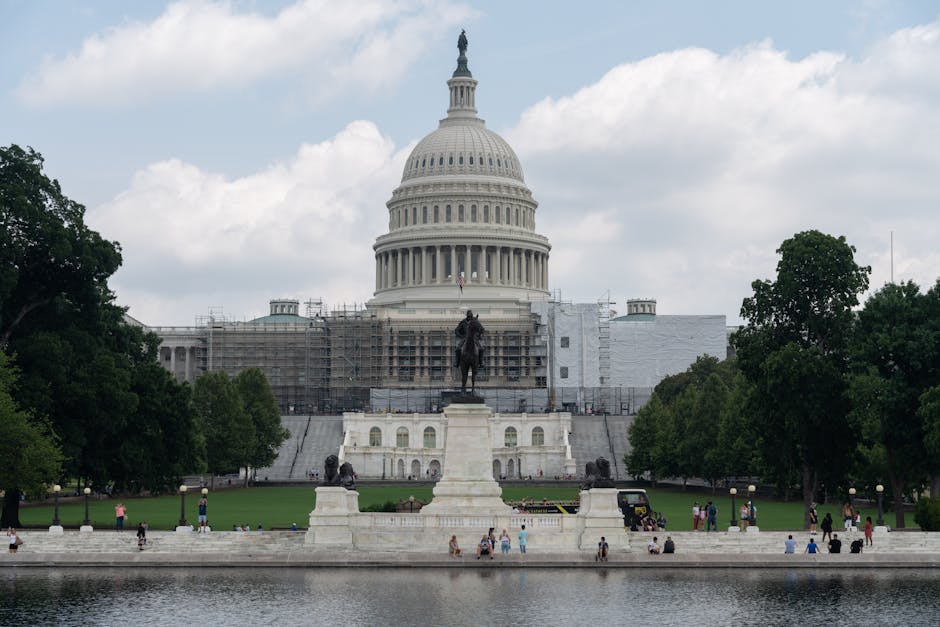
The US Supreme Court has agreed to review a pivotal climate change case brought by Boulder and Boulder County against ExxonMobil and Suncor entities.This decision may determine whether local communities can hold fossil fuel companies accountable for climate-related damages through the courts.
Sources:
bouldercolorado.govbouldercounty.govThe lawsuit, initiated in April 2018, claims that these oil companies have knowingly exacerbated climate change while misleading the public about the risks associated with their products.
Sources:
bouldercolorado.govboulderreportinglab.orgThe Colorado Supreme Court previously ruled that state law allows Boulder’s case to proceed, rejecting the companies’ assertions that federal law preempts these claims.
Sources:
scotusblog.comcoloradosun.comAs Colorado experiences the impacts of climate change, including rising temperatures and increased costs for adaptation, Boulder officials argue that the burden of these expenses should not fall solely on taxpayers.
boulderreportinglab.orgBoulder County Commissioner Ashley Stolzmann emphasized the necessity of holding the oil companies accountable for the harm they have inflicted on local communities.“As everyone continues to face rising costs that put budgets under pressure, we must hold oil companies accountable for the significant harm they’ve caused our communities,” Stolzmann stated.The lawsuit aims to ensure that those responsible bear the financial burden of their actions, rather than shifting it onto local taxpayers.
Sources:
bouldercolorado.govbouldercounty.govThe Supreme Court's decision to hear this case comes amid a backdrop of increasing litigation against fossil fuel companies across the United States, with Boulder’s case being one of the first from an inland state to assert direct damages from climate change.
Sources:
coloradosun.comboulderreportinglab.orgThe court’s ruling will address whether state courts can impose liability on companies for their greenhouse gas emissions or if federal law protects them from such claims.
Source:
boulderreportinglab.orgExxonMobil and Suncor argue that allowing Boulder to proceed would enable a single municipality to influence national energy policy, which they assert is not permissible under federal law.
Source:
boulderreportinglab.orgThey contend that the Supreme Court's review is necessary to clarify the relationship between state and federal law regarding environmental issues.
Sources:
scotusblog.comcoloradosun.comBoulder's legal team, including attorney Marco Simons, expressed hope that the Supreme Court justices will recognize the authority of state law in addressing climate change impacts.Simons argued that a conservative ruling could favor states' rights, particularly when federal action on climate change has been inconsistent.
Sources:
coloradosun.comboulderreportinglab.orgThe Supreme Court's involvement raises significant stakes for Boulder and similar lawsuits nationwide.A ruling in favor of the oil companies might effectively curtail many state-level climate litigation efforts, while a decision supporting Boulder could pave the way for broader accountability measures against the fossil fuel industry.
Source:
boulderreportinglab.orgThe justices are expected to hear oral arguments in the upcoming court term, with a decision likely to follow in 2026.
Sources:
scotusblog.combouldercounty.govThis case exemplifies the growing tension between local efforts to combat climate change and the interests of major corporations in the fossil fuel sector, highlighting a critical juncture in the ongoing struggle for climate accountability.
Sources:
coloradosun.comboulderreportinglab.orgAs this legal battle unfolds, the implications will resonate beyond Colorado, potentially shaping the landscape of climate litigation across the United States.Local communities are increasingly seeking judicial recourse to address the financial toll of climate change, aiming to hold those responsible accountable for their contributions to a warming planet.
Sources:
bouldercolorado.govcoloradosun.comBoulder's case is not just about local damages; it reflects a broader movement toward seeking justice for climate-related harms and the necessity for corporations to face the consequences of their actions in a changing climate.
Sources:
bouldercounty.govboulderreportinglab.orgThe Supreme Court's forthcoming decision could be a landmark moment in the intersection of environmental law and corporate accountability, influencing how communities across the nation confront the challenges posed by climate change.