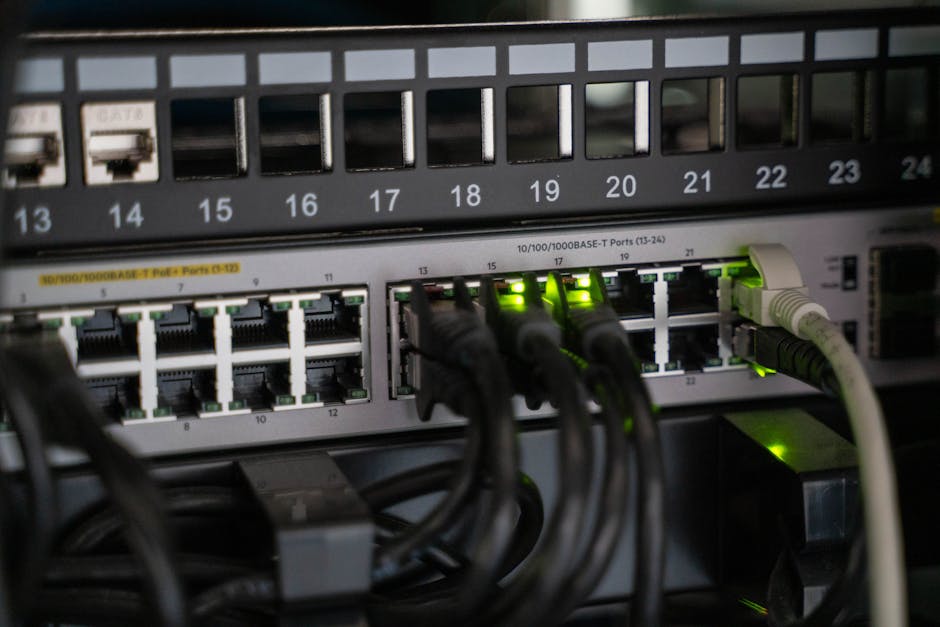
The Rogers Police Department (RPD) in Arkansas has recently announced several groundbreaking technological initiatives aimed at enhancing public safety and improving law enforcement operations.Key among these advancements is the introduction of a Real-Time Information Center (RTIC), which will serve as a centralized hub for monitoring and managing police activities during ongoing investigations.
Source:
5newsonline.comThe RTIC will leverage existing technologies in the city, including license plate readers and a network of surveillance cameras.This integration allows RPD staff to monitor live feeds from body and dash cams, providing real-time information and updates on officer locations during active situations.
Source:
5newsonline.comOne of the most significant developments is the use of artificial intelligence (AI) to assist in report writing.The AI technology will transcribe recorded audio from police interactions, significantly reducing the workload for officers who often spend excessive time on paperwork.
Sources:
5newsonline.compolice1.comRPD has assured the public that safeguards are in place to maintain the accuracy of these reports, which could streamline administrative tasks and allow officers to focus more on community engagement.
Source:
5newsonline.comIn a move to further enhance response capabilities, RPD plans to utilize drones as first responders.This initiative positions RPD among the first departments in Arkansas to adopt such technology.Drones will be deployed from strategically placed docking stations to respond to calls for service, providing aerial support that could improve response times and situational awareness.
Source:
5newsonline.comDrones in law enforcement have been shown to offer benefits such as reducing human risk during critical situations and providing real-time information to officers.
Source:
police1.comFor instance, drones can be used to assess a scene before officers arrive, potentially informing them of any immediate threats and allowing for safer responses.
Source:
kcur.orgThe Kansas City Police Department has already implemented a similar program, which has demonstrated the effectiveness of drones in policing activities.
Source:
kcur.orgThe introduction of these technologies comes amid growing public interest in how AI and drone capabilities can enhance police work.Police departments across the nation are increasingly adopting advanced technology to address staffing shortages and improve community safety.AI-integrated systems are being recognized for their potential to reduce the administrative burdens on officers, allowing them to dedicate more time to proactive policing.
Source:
police1.comThe Rogers Police Department has also begun implementing a program known as Connect Rogers, which integrates civilian camera systems into law enforcement operations.This network will enable police access to registered civilian cameras during investigations, further enhancing their situational awareness and investigative capabilities.
Source:
5newsonline.comThe department's recent announcement highlights the importance of community engagement and transparency as these technologies are deployed.Public trust is essential for the successful adoption of AI and drone technologies in law enforcement, and RPD is committed to addressing any concerns the community may have about privacy and data use.
Source:
police1.comOverall, the Rogers Police Department's embrace of AI and drone technology signifies a significant step forward in modern policing, aiming to enhance officer efficiency, improve public safety, and foster a proactive approach to law enforcement.As these initiatives roll out, they will likely serve as a model for other departments looking to leverage technology in their operations.
Source:
5newsonline.comThese advancements reflect a broader trend in law enforcement, where agencies recognize the need to adapt to evolving challenges and maximize the effectiveness of their resources.Through responsible implementation and community collaboration, the RPD aims to set a precedent for integrating technology in policing while prioritizing public safety and officer welfare.