Washington state has taken a significant step in the fight against climate change by preserving the Climate Commitment Act (CCA) through voter support.This decision ensures that vital funding continues to flow for initiatives aimed at reducing greenhouse gas emissions and addressing the adverse effects of climate change.The CCA, enacted in 2021, established a comprehensive cap-and-invest program, requiring major polluters to purchase emissions allowances to offset their greenhouse gas emissions.The program started on January 1, 2023, and has already generated approximately $2.3 billion for the state, which is being used to fund various climate initiatives across the region.
Sources:
ecology.wa.govwashingtonstatestandard.comVoters decisively rejected Initiative 2117, which sought to repeal the CCA, with the measure losing by a margin of 61.7% to 38.3% in the statewide tally.The preservation of this law is crucial, as it plays a central role in Washington's ambitious climate goals: reducing emissions to 45% below 1990 levels by 2030, 70% by 2040, and achieving net-zero emissions by 2050.
Source:
washingtonstatestandard.comCritics of the CCA argued that the program would lead to higher costs for consumers without significantly curbing emissions.However, proponents assert that the cap-and-invest model is essential for driving down pollution levels while simultaneously funding green infrastructure projects.The funds generated by the CCA are being allocated to various initiatives, including the purchase of electric school buses, improvements to public transportation, and the installation of electric vehicle chargers.
Sources:
ecology.wa.govwashingtonstatestandard.comThe CCA's framework not only sets limits on emissions but also encourages businesses to innovate and invest in cleaner technologies.As allowances become scarcer, their value increases, which incentivizes companies to reduce their emissions more effectively.This market-based approach is designed to create a sustainable economic model that aligns with environmental goals.
Sources:
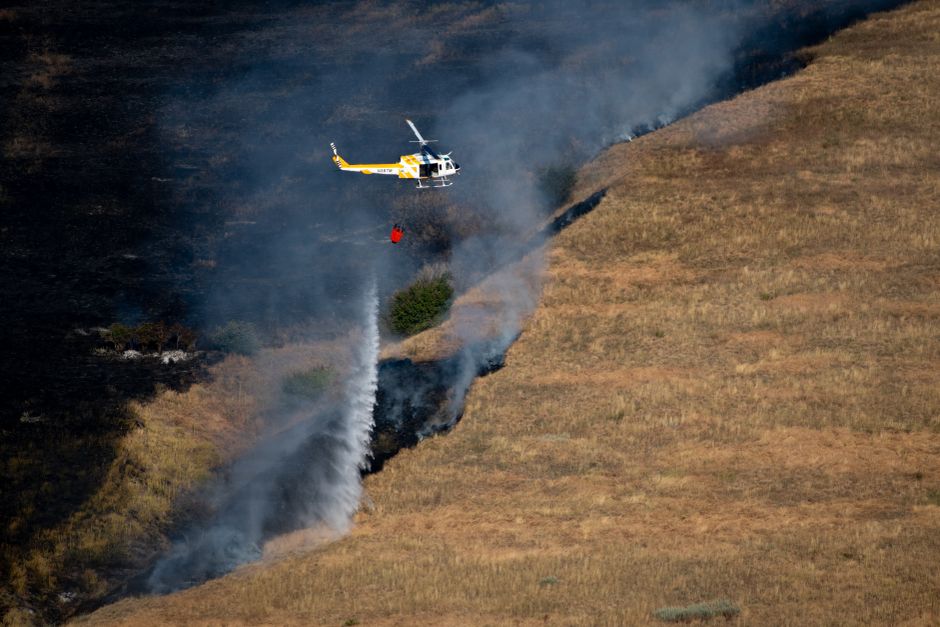
ecology.wa.govimf.orgSignificantly, the funding from the CCA is not only directed toward reducing emissions but also supports community-oriented projects that enhance resilience against climate impacts.Initiatives funded by the CCA include air quality monitoring, habitat restoration, and efforts to mitigate the risks of wildfires.These programs are vital for safeguarding public health and the environment, particularly in communities that are disproportionately affected by pollution and climate change impacts.
Sources:
washingtonstatestandard.comclimatepromise.undp.orgThe recent voter decision reflects a growing recognition of the urgency to combat climate change.As global temperatures continue to rise, the risks to the economy and public health become increasingly apparent.Washington's proactive stance through the CCA serves as a model for other states and regions facing similar environmental challenges.The state’s commitment to ambitious climate policies is aligned with broader global efforts to limit warming to 1.5 degrees Celsius, a target that requires drastic reductions in emissions by 2030 to avoid the worst effects of climate change.
Sources:
ipcc.chimf.orgIn summary, by maintaining the CCA, Washington ensures that crucial funding will continue to support initiatives aimed at reducing greenhouse gas emissions and enhancing community resilience.The cap-and-invest program not only serves environmental goals but also fosters economic innovation and public health improvements, setting a precedent for comprehensive climate action in the United States.As the effects of climate change become more pronounced, the importance of sustained investment in green initiatives will only grow, making Washington's decision a critical step forward in the fight against climate change.