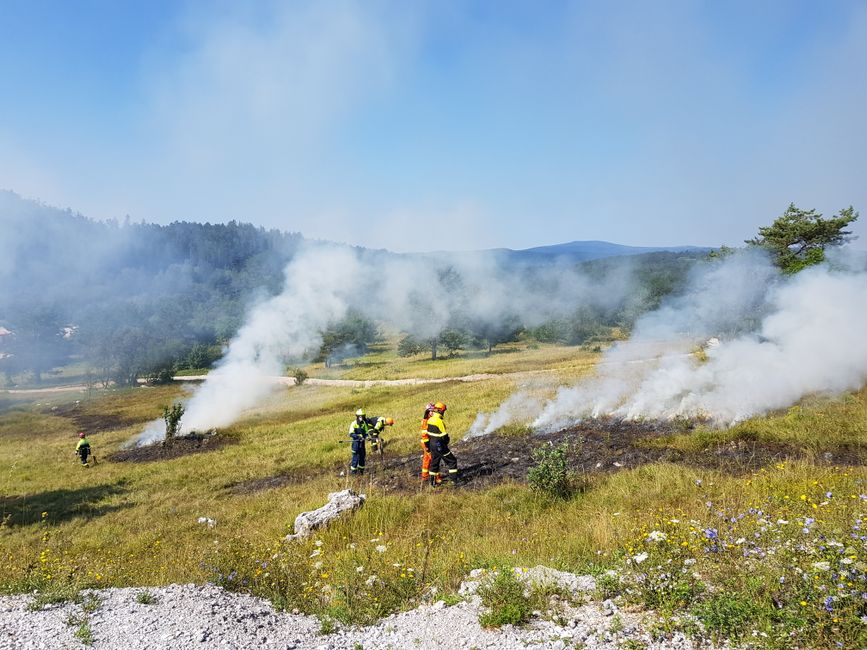
In a notable shift in wildfire management policies, new legislation introduced by Senators Alex Padilla (D-CA) and Steve Daines (R-MT) aims to establish a grant program focusing on home hardening.This initiative seeks to allocate $1 billion toward making homes more fire-resistant, a move that contrasts sharply with the traditional emphasis on logging and fuel reduction efforts that have dominated wildfire management strategies in recent years.
Source:
thewildlifenews.comFor decades, federal forest policy has leaned heavily toward logging and other active management practices in remote areas as a means to protect communities from wildfires.However, advocates are increasingly recognizing that reducing the flammability of homes is a more effective approach to safeguarding lives and property.Despite this evidence, the majority of funding—98% in California—is still directed toward logging projects, with a mere 1% allocated to home hardening measures.
Source:
thewildlifenews.comThe newly proposed legislation, known as the Community Protection and Wildfire Resilience Act, aims to reverse this trend.It proposes the creation of Community Protection and Wildfire Resilience Plans (CPWRP), which would encompass public education, evacuation strategies, and access maintenance for emergency responders.
Source:
thewildlifenews.comGrants of up to $250,000 would be available for the development of these plans, along with an additional $10 million for their implementation, highlighting a proactive approach to community resilience in the face of wildfires.
Source:
thewildlifenews.comThe legislation also includes provisions for updating wildfire hazard maps, a crucial step for insurance companies when assessing community resilience.
Source:
thewildlifenews.comThis aspect is particularly pertinent given that California's insurance market has faced challenges in providing coverage for properties in high-risk wildfire areas.Recent regulations require insurance companies to increase their offerings in these regions, ensuring that a minimum of 85% of policies are available to homeowners.
Source:
insurance.ca.govThis legislative proposal aligns with a broader recognition of the limitations of traditional wildfire management approaches.Logging practices, while intended to reduce fuel loads, can inadvertently increase fire risks by altering forest structure and promoting the spread of invasive species.
Source:
thewildlifenews.comThe ecological impacts of logging, including loss of carbon storage and wildlife disturbance, further complicate its efficacy as a wildfire prevention strategy.
Source:
thewildlifenews.comSupport for the Community Protection and Wildfire Resilience Act comes from various conservation organizations, which argue that prioritizing home hardening over logging represents a significant step forward in wildfire policy.
Source:
thewildlifenews.comThe bill aims to address the root causes of home vulnerability to fires, advocating for community-wide efforts to harden structures to prevent ignitions, as evidenced by past wildfire incidents like the Eaton Blaze in Altadena, CA.
Source:
thewildlifenews.comIn addition to establishing a grant program for home hardening, the legislation also seeks to enhance community-scale defensible space around structures, thereby reducing the likelihood of flames spreading between homes.
Source:
thewildlifenews.comThis comprehensive approach underscores the need for a collaborative effort to bolster community resilience against the backdrop of increasing wildfire threats exacerbated by climate change.
Source:
lse.ac.ukWhile the proposed funding is seen as a positive step, critics point out that it represents only a fraction of what is needed to effectively combat the escalating wildfire crisis.Current funding levels, heavily skewed toward logging initiatives, demonstrate a pressing need for a paradigm shift in how wildfire management is approached.
Source:
thewildlifenews.comThe introduction of this legislation not only reflects a growing recognition of the importance of home hardening but also signals a potential reallocation of resources toward strategies that prioritize community safety and ecological integrity.As wildfires continue to pose significant risks to lives and property, this shift in policy may help lay the groundwork for more sustainable and effective wildfire management practices in the future.
Source:
thewildlifenews.comIn conclusion, the Community Protection and Wildfire Resilience Act represents a pivotal moment in the evolution of wildfire policy, shifting the focus from traditional logging methods to innovative strategies that prioritize home protection.As climate change continues to amplify the dangers posed by wildfires, such legislative efforts are essential in fostering resilient communities.