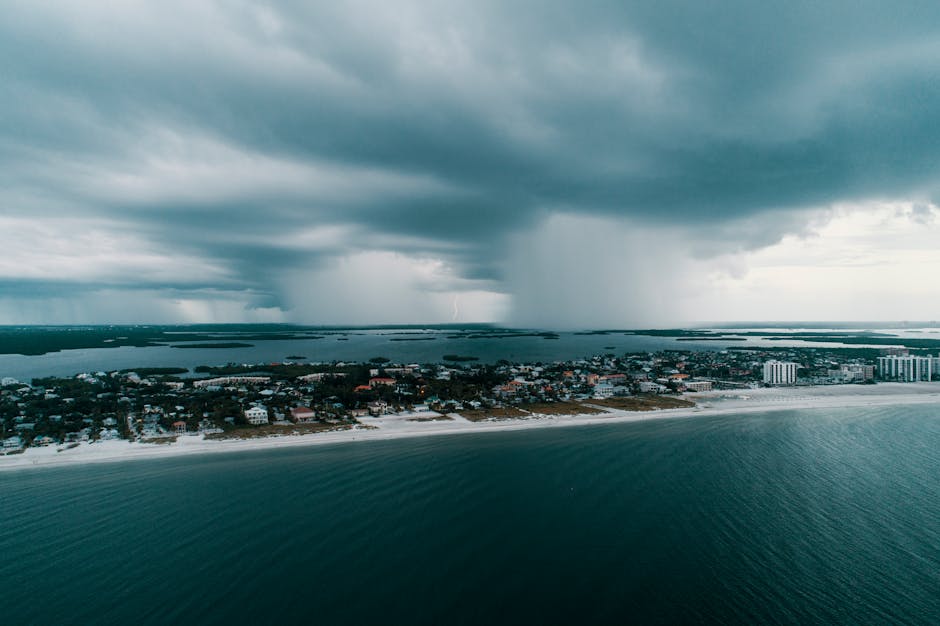
New Jersey is at a critical juncture as it confronts the reality of climate change.Over the past few decades, the state has witnessed an alarming increase in natural disasters, including hurricanes, flooding, and wildfires, all exacerbated by climate change.The National Oceanic and Atmospheric Administration's National Centers for Environmental Information reports that these events are becoming more frequent and severe, posing significant threats to public health and safety.
Source:
burlingtoncountytimes.comCommunities throughout New Jersey have already experienced the dire impacts of coastal flooding and extreme weather events.A Rutgers-New Brunswick Climate and Energy Institute study highlights how these issues are not just future concerns; they are happening now.
Source:
northjersey.comThe public health implications are staggering, particularly following the recent revocation of the EPA's Endangerment Finding, a vital policy that previously helped regulate climate pollution.This policy change prioritizes corporate profits over the health of citizens, leaving communities more vulnerable to climate-related disasters.
Source:
burlingtoncountytimes.comThe economic ramifications of climate inaction are also severe.A report from the Environmental Defense Fund forecasts that New Jersey could see an increase of nearly $31 billion in fuel costs and over $16 billion in healthcare expenses due to climate change in the coming decades.
Source:
northjersey.comThese figures do not account for the billions more in infrastructure and economic losses from disasters, like Hurricane Sandy, which caused $60 billion in damages back in 2012.
Source:
northjersey.comThe urgency for action is evident.The New Jersey Department of Environmental Protection (DEP) has introduced a draft Strategic Climate Action Plan aimed at addressing both current and future climate threats.This plan outlines steps to reduce greenhouse gas emissions by 50% by 2030 and 80% by 2050.
Source:
njclimateresourcecenter.rutgers.eduSuch measures are essential for mitigating the impacts of rising sea levels, extreme storms, and heat waves that threaten the state's residents and economy.The DEP's action plan emphasizes the need for resilience against climate impacts.Initiatives to improve stormwater management, enhance coastal infrastructure, and expand urban tree cover are among the proposed actions to mitigate these risks.
Source:
njclimateresourcecenter.rutgers.eduHowever, many advocates argue that these recommendations must be further solidified to ensure effective implementation and adaptation strategies.Moreover, the state must take into account the need for climate equity.Low-income and marginalized communities are disproportionately affected by climate change, facing higher risks of pollution and flooding.
Source:
njclimateresourcecenter.rutgers.eduAddressing these inequities is crucial for fostering a more resilient and inclusive response to climate challenges.Public sentiment in New Jersey reflects a growing awareness of climate change.Recent surveys indicate that a significant majority of residents acknowledge the reality of global warming and express support for policies aimed at combating it.
Source:
climatecommunication.yale.eduThis public backing provides an opportunity for state leaders to prioritize climate policy and investment decisively.As New Jersey faces the consequences of climate change, it is imperative for state officials, including Governor Sherrill, to take bold actions and advocate for comprehensive climate policies.The time for effective climate action is now; neglecting this issue will only lead to greater suffering and economic costs.
Sources:
burlingtoncountytimes.comnorthjersey.comIn conclusion, New Jersey's climate future hinges on the actions taken today.By embracing the Strategic Climate Action Plan and committing to robust climate policies, the state can work towards safeguarding its residents, economy, and environment from the escalating impacts of climate change.The stakes are high, and decisive action is necessary to ensure a sustainable future for all New Jerseyans.