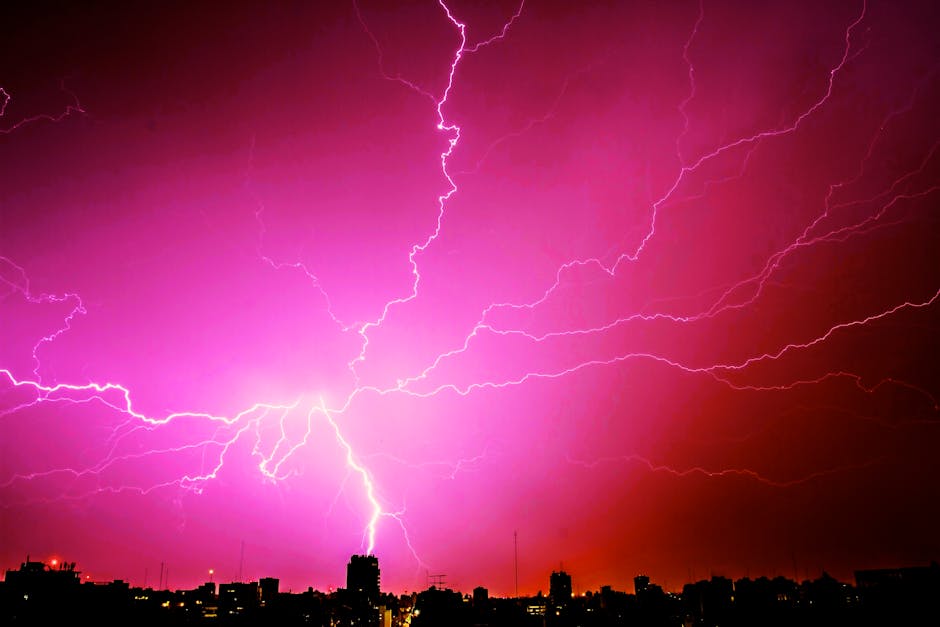
The 2025 hurricane season has provided a stark illustration of what climate change looks like, characterized by a paradox of fewer storms but an alarming increase in their intensity.This year's season saw no storms making landfall in the United States for the first time since 2015, yet it also recorded three Category 5 hurricanes, marking the second-highest number of such storms in a single season, just behind the notorious 2005 season.
Source:
npr.orgThe total number of tropical storms and hurricanes this year was 13, which is about average.However, the intensity of the storms that did form was unprecedented, with meteorologists noting that the conditions leading to such powerful hurricanes are becoming more common due to climate change.
Source:
npr.orgBrian McNoldy, a hurricane researcher at the University of Miami, described the season as "unusual," highlighting the growing trend of average storm numbers coupled with an increase in the frequency of extremely powerful hurricanes.
Source:
npr.orgThe primary driver behind this trend is the rising ocean temperatures, which have been significantly influenced by human-induced climate change.The pollution from burning fossil fuels traps heat in the atmosphere, with much of this excess heat being absorbed by the oceans.
Source:
npr.orgThe Atlantic Ocean, where hurricanes typically form, has experienced record-breaking temperatures in recent years, providing the necessary fuel for these storms.
Source:
gfdl.noaa.govLindsey Long, a meteorologist with the Climate Prediction Center, explained that warmer waters contribute to the intensity of hurricanes, as seen with Hurricane Melissa, which made landfall in Jamaica as a Category 5 storm.
Source:
npr.orgWhile the number of storms this year was average, the intensity was not.Climate models suggest that as the planet continues to warm, we may see fewer total hurricanes, but a higher percentage of them will be large and powerful storms.
Source:
npr.orgThis trend is concerning, as it indicates that while the overall frequency of hurricanes may not increase dramatically, the potential for catastrophic damage from more intense storms is likely to rise.Research indicates that the destructive potential of hurricanes is projected to increase significantly due to climate change.For instance, the global proportion of tropical cyclones reaching Category 4 and 5 levels is expected to rise, with modeling studies suggesting a potential increase in rainfall rates associated with these storms by about 14% for every 2 degrees Celsius of global warming.
Source:
gfdl.noaa.govThis means that future hurricanes could bring even more rainfall, exacerbating flooding and other related hazards.
Source:
gfdl.noaa.govThe implications of these changes are profound.As Kevin Reed, a professor at Stony Brook University, noted, the maximum accumulated rainfall from storms is already increasing, with estimates suggesting a rise of 5 to 10 percent due to climate change.
Source:
pbs.orgThis increase in rainfall can lead to severe flooding, as seen with recent hurricanes that have devastated communities across Central America and the Caribbean.
Source:
pbs.orgMoreover, the connection between climate change and hurricanes is not just a future concern; it is a current reality.The impacts of climate change are already altering weather patterns and increasing the severity of storms, which in turn affects public health, infrastructure, and economies.
Source:
pbs.orgThe need for improved forecasting and preparedness is critical, as understanding the potential future impacts of climate change on hurricanes can help communities better prepare for the storms to come.In conclusion, this year's hurricane season serves as a vivid reminder of the ongoing effects of climate change.With rising ocean temperatures and increasing storm intensity, the future of hurricane activity is likely to be marked by more powerful storms, posing significant risks to vulnerable communities.
Sources:
npr.orggfdl.noaa.govAs we continue to grapple with the realities of a warming planet, it is essential to prioritize resilience and adaptation strategies to mitigate the impacts of these extreme weather events.