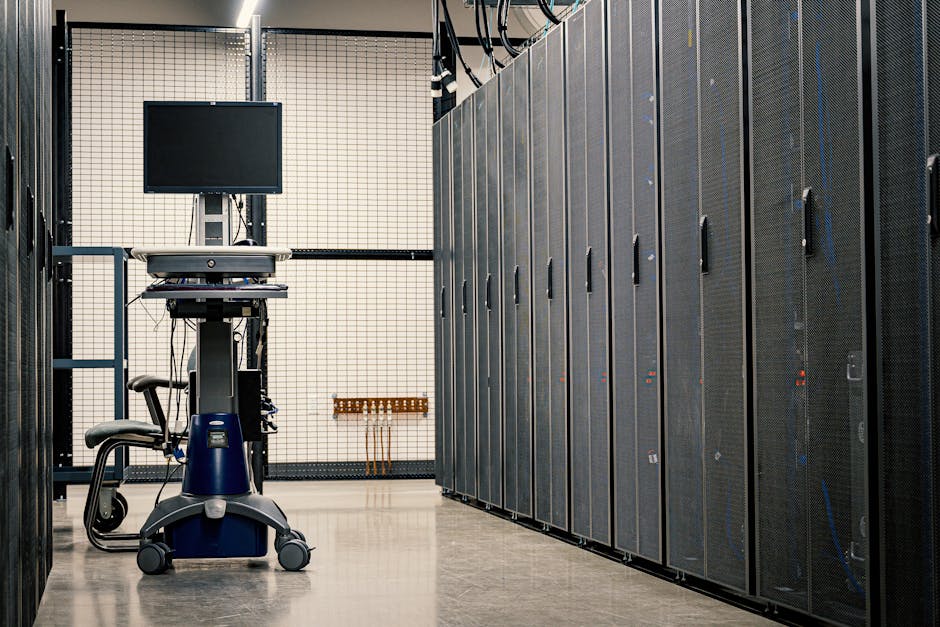
Florida lawmakers have made significant strides in regulating large data centers through the passage of Senate Bill 484 and Senate Bill 1118.These bills are designed to address the environmental impact of data centers while ensuring the state remains competitive in attracting technology investments.
Sources:
floridaphoenix.comfox13news.comSenator Bryan Avila, who sponsored both bills, emphasized the need to protect natural resources, particularly water, as data centers consume vast quantities of this essential resource.A medium-sized data center can require up to 110 million gallons of water annually, while larger facilities may demand as much as 1.8 billion gallons.
Source:
floridaphoenix.comSB 484 requires that large customers, such as data centers, bear the full costs of the electric infrastructure they utilize.This measure aims to prevent ordinary utility customers from shouldering the financial burden associated with these significant energy consumers.
Source:
fox13news.comFurthermore, the legislation retains local governments' authority to regulate land development concerning large-load customers, ensuring that communities have a say in data center siting.
Source:
floridaphoenix.comOn the other hand, SB 1118 introduces a controversial public records exemption that allows for a year-long secrecy regarding the plans of entities looking to build data centers.Critics argue this could undermine public trust and transparency.
Source:
floridaphoenix.comSenator Jason Pizzo voiced concerns that such measures could lead to perceptions of corruption among local officials.
Source:
floridaphoenix.comThese legislative efforts come against the backdrop of a national debate over the regulation of artificial intelligence and data infrastructure.Former President Donald Trump's administration has sought to impose a more unified federal policy on AI, which could potentially conflict with state-level initiatives like those in Florida.
Source:
stateline.orgDespite these federal efforts, Florida Governor Ron DeSantis has pushed for an AI Bill of Rights, aiming to establish consumer protections and limit taxpayer subsidies for large AI data centers.
Source:
shumaker.comThe proposed AI Bill of Rights includes provisions to enhance privacy and safety, such as prohibiting deepfakes and requiring parental controls for minors interacting with AI systems.These measures reflect a growing concern over the implications of AI technologies on privacy and consumer rights.
Source:
shumaker.comDeSantis has expressed caution regarding the rapid development of AI, warning of potential risks associated with unregulated growth in this sector.He has highlighted the substantial energy and water demands of data centers, asserting that higher utility costs should not burden ordinary Floridians.
Source:
floridaphoenix.comAs these legislative measures advance, Florida aims to strike a balance between fostering technological innovation and safeguarding environmental resources.The state has become a focal point for discussions surrounding AI regulation, reflecting broader trends seen across the country, where 38 states have initiated measures related to artificial intelligence this year alone.
Source:
stateline.orgThe path forward for these bills remains uncertain, as they must navigate additional legislative hurdles before becoming law.Supporters argue that the measures are crucial for ensuring sustainable data center growth, while opponents worry they may deter tech companies from investing in Florida, potentially stunting economic growth.
Source:
fox13news.comIn conclusion, Florida's efforts to regulate data centers are part of a larger conversation about the intersection of technology, consumer protection, and environmental stewardship.As the state moves forward, it will be crucial to monitor how these regulations evolve and their impact on both the tech industry and Florida's residents.