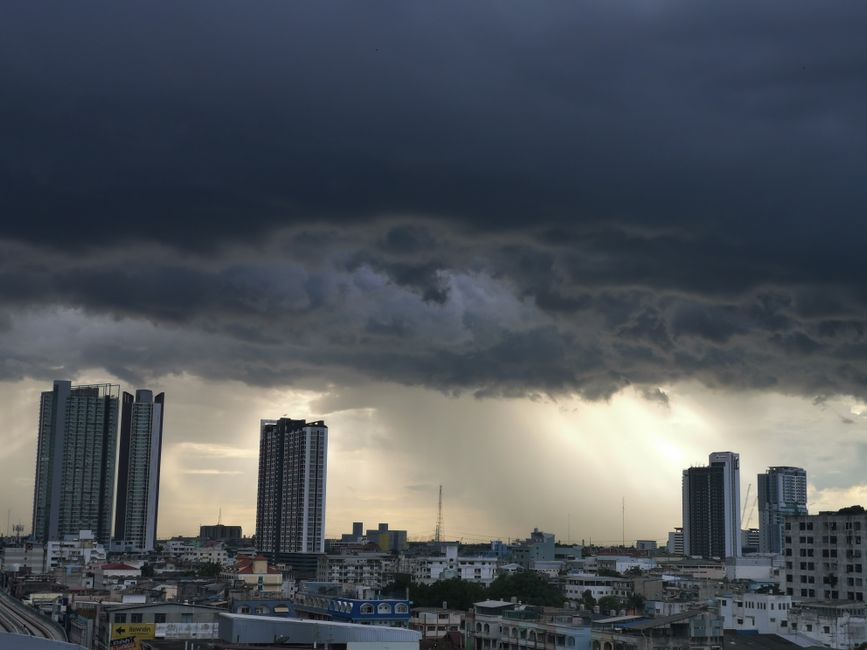
Climate change is increasingly recognized as a primary driver of extreme weather events across the globe.Research indicates that as the Earth's climate warms, the frequency and intensity of phenomena such as heatwaves, wildfires, and severe flooding are escalating, posing significant threats to public health and infrastructure.
Sources:
science.nasa.govlung.orgOne of the most alarming manifestations of climate change is the rise in temperatures.Since 1880, the average global temperature has increased by approximately 1.9 degrees Fahrenheit, leading to more frequent and severe heatwaves.
Source:
lung.orgSuch extreme temperatures not only threaten human health but are also linked to rising rates of mortality during heat-related events.In the United States, extreme heat is often considered the deadliest weather-related disaster, surpassing other events in terms of annual fatalities.
Source:
lung.orgThe impact of climate change on wildfires is equally concerning.In the western United States and Canada, record dry and hot conditions have resulted in increasingly ferocious wildfires.For instance, California faced its biggest fire season in history in 2020, with over 4 million acres burned.
Source:
earthjustice.orgWildfires not only destroy vast areas of land but also produce hazardous air pollution that can affect millions of people far from the source of the fire.
Source:
earthjustice.orgThis year, smoke from nearly 900 wildfires in Canada prompted air quality alerts impacting around 70 million individuals in the eastern United States.
Source:
earthjustice.orgFlooding is another dire consequence of climate change.As temperatures rise, the atmosphere holds more moisture, which can lead to heavier and more intense rainfall.According to the Fourth National Climate Assessment, heavy rainfall events have increased in both frequency and severity, resulting in more frequent and devastating flooding.
Sources:
lung.orgamericanprogress.orgIn fact, a recent report highlights that extreme rainfall events in the United States could become three times more likely and up to 20 percent more severe within the next 45 years.
Source:
americanprogress.orgThis is particularly concerning for low-lying areas, where rising sea levels and increased storm surges exacerbate flooding risks.
Source:
americanprogress.orgThe health impacts of these extreme weather events are profound.Floods can lead to immediate dangers, such as drowning, but they also pose long-term health risks.Exposure to contaminated water can result in gastrointestinal illnesses and respiratory issues, particularly in vulnerable populations.
Source:
americanprogress.orgFurthermore, prolonged exposure to wildfire smoke has been linked to respiratory diseases, including asthma and chronic obstructive pulmonary disease (COPD).The pollutants released during wildfires can travel thousands of miles, affecting air quality far beyond the areas directly impacted by the fires.
Source:
lung.orgScientists attribute the increasing severity of these weather events to human activities—primarily the burning of fossil fuels that release greenhouse gases such as carbon dioxide into the atmosphere.The Intergovernmental Panel on Climate Change (IPCC) has pointed out that the rise in greenhouse gases has directly increased the frequency and intensity of extreme weather events.
Source:
science.nasa.govAs the atmosphere warms, it becomes capable of holding more moisture, which acts as fuel for storms, leading to more intense weather patterns.
Source:
weather.comAdditionally, the infrastructure in many regions is not equipped to handle the escalating risks associated with climate change.With flooding events becoming more frequent, the economic burden on communities is substantial.Estimates suggest that the annual economic costs of flooding in the US could range from $179.8 billion to $496 billion, factoring in property damage, increased insurance premiums, and loss of tax revenue.
Source:
americanprogress.orgThe urgency to address climate change through effective mitigation strategies cannot be overstated.Policymakers are called to enact measures aimed at reducing greenhouse gas emissions, while individuals can contribute by supporting sustainable practices and advocating for stronger climate policies.
Sources:
lung.orgamericanprogress.orgIn conclusion, the relationship between climate change and extreme weather is clear and supported by extensive research.As the planet continues to warm, the consequences of these changes will likely intensify, making immediate action critical to safeguard public health and the environment for future generations.