Wildfires Intensified by Climate Change.The western United States has seen a surge in catastrophic wildfires linked to rising temperatures and prolonged dry spells.In 2020, California burned over 4 million acres—larger than Connecticut—making it the state's most destructive fire season on record .
Source:
earthjustice.orgThese blazes are fueled by extreme heat and seasonal winds like Santa Ana and Diablo, which accelerate fire spread .
Source:
earthjustice.orgCanada’s 2023 wildfire season was its worst on record, with smoke affecting 70 million people in the eastern US.
Source:
bbc.comHeatwaves and Cold Spells Linked to Warming Oceans.Rising global temperatures have intensified heatwaves, which now claim more annual deaths than any other weather disaster in the US.
Source:
lung.orgThe National Weather Service notes that warming polar regions disrupt the polar vortex, causing extreme cold snaps to dip farther south .
Source:
lung.orgMeanwhile, ocean warming drives stronger hurricanes and typhoons, as highlighted by climate scientists Porter Fox and Jeff Goodell in a recent discussion on climate impacts .
Source:
aspeninstitute.orgFlooding Amplified by Climate Shifts.Warmer air holds more moisture, leading to heavier rainfall and increased flooding.The Fourth National Climate Assessment found that heavy downpours have become more frequent and severe, expanding flood plains and worsening storm surges .
Source:
lung.orgIn Spain, torrential rains linked to climate change caused deadly floods in October 2024, while southern Africa faced its worst drought in four decades due to shifting rainfall patterns .
Source:
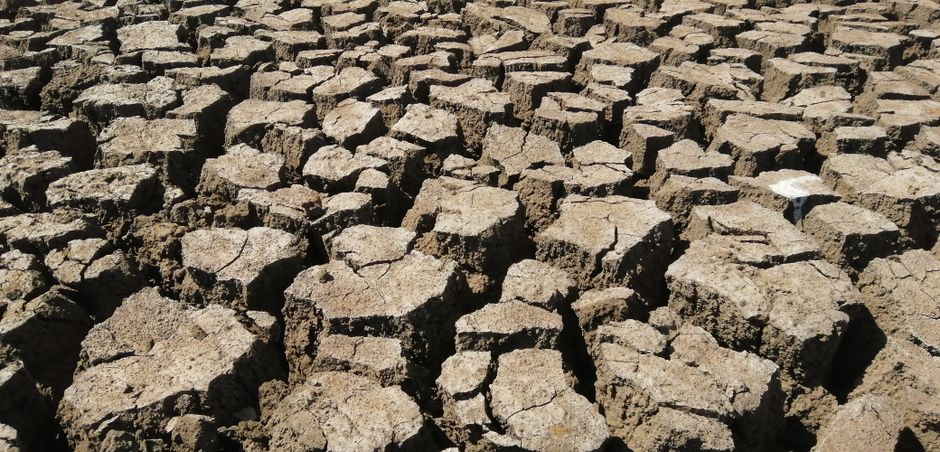
bbc.comDroughts and Wildfires Fueling a Feedback Loop.Climate change extends drought durations by altering precipitation and increasing evaporation.The Amazon rainforest experienced its worst drought since records began in 2023, with human-driven warming making such events at least 100 times more likely .
Source:
bbc.comProlonged dry conditions create tinderbox environments for wildfires, which then release pollutants like PM 2.5, harming lung health across regions via smoke travel.
Source:
lung.orgHealth Impacts of Climate-Driven Weather.Extreme weather exacerbates respiratory and cardiovascular risks.Ground-level ozone pollution from heat increases asthma attacks and heart issues, while wildfire smoke worsens conditions for those with COPD or chronic lung disease .
Source:
lung.orgFlooding also promotes mold growth, further straining vulnerable populations.Mitigation Strategies and Urgent Action Needed.The IPCC warns that without drastic emission cuts, extreme weather will escalate.Solutions include transitioning to zero-emission energy, improving infrastructure resilience, and public health preparedness.As climate journalist Porter Fox notes, "Urgent actions to address climate change could not be more critical" for safeguarding communities.