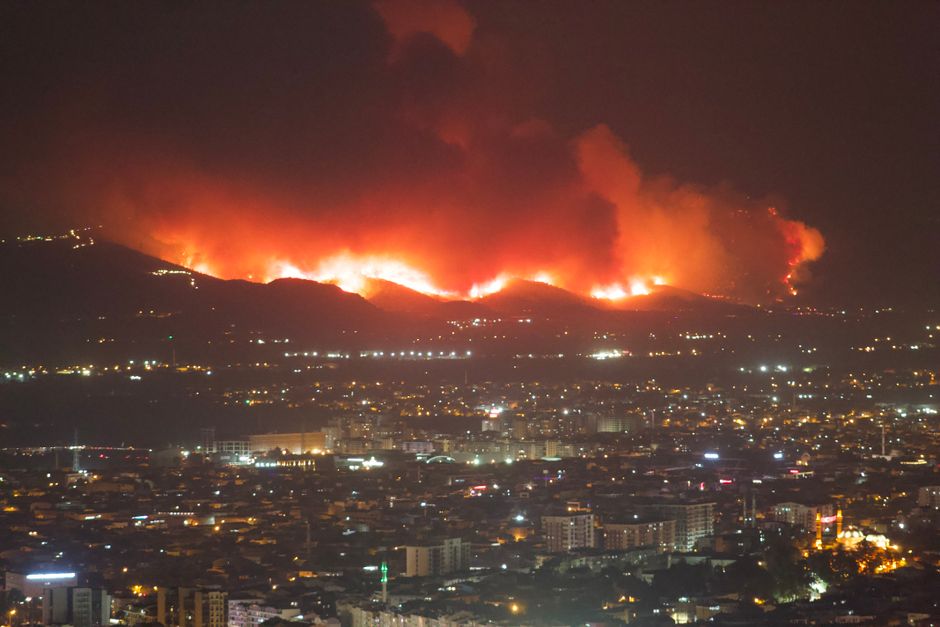
Recent studies indicate a growing connection between climate change and the increasing frequency and intensity of extreme weather events.As global temperatures rise, the manifestations of climate change are becoming more apparent, leading to hotter heat waves, prolonged droughts, and more powerful storms.
Source:
edf.orgOne of the most pressing concerns is the correlation between climate change and the severity of hurricanes and floods.Warmer temperatures elevate evaporation rates, resulting in more moisture in the atmosphere, which can intensify rainfall and lead to frequent flooding.
Source:
edf.orgFurthermore, rising sea levels, driven by melting glaciers and ocean expansion, exacerbate the risks of coastal flooding.
Source:
edf.orgAs a result, communities face heightened vulnerability during hurricane seasons, with less time to respond to rapidly intensifying storms.
Source:
edf.orgHeat waves pose another significant health risk, particularly for vulnerable populations such as outdoor workers, the elderly, and those lacking air conditioning.
Source:
edf.orgThe frequency and duration of these extreme heat events are increasing, with record temperatures reported year after year.
Source:
19january2017snapshot.epa.govThese conditions not only threaten human health but also lead to agricultural challenges, including crop failures and livestock stress.
Source:
19january2017snapshot.epa.govWildfires, particularly in the western United States, have become a critical issue tied to climate change.The combination of rising temperatures and prolonged dry conditions has resulted in larger and more destructive fires.
Source:
earthjustice.orgIn 2020, California alone experienced its largest fire season on record, burning over 4 million acres.
Source:
earthjustice.orgSmoke from these fires can travel vast distances, affecting air quality and public health far from the source.
Source:
earthjustice.orgThe interplay of drought and high temperatures has created an environment ripe for wildfires, with devastating consequences for communities and ecosystems alike.
Source:
earthjustice.orgThe phenomenon known as "climate whiplash" adds another layer of complexity, characterized by abrupt shifts between extreme weather conditions, such as severe droughts followed by intense flooding.
Source:
e360.yale.eduFor instance, California's drought years from 2011 to 2016 were followed by a particularly wet winter, which contributed to increased wildfire risks in subsequent dry seasons.
Source:
e360.yale.eduResearchers predict that these rapid transitions between wet and dry conditions could increase significantly as climate change progresses, leading to further challenges for both people and the environment.
Source:
e360.yale.eduThe impacts of extreme weather are not limited to physical destruction; they also have socio-economic ramifications.Events like hurricanes and wildfires can disrupt communities, displace families, and increase economic strains due to damage costs and recovery efforts.
19january2017snapshot.epa.govIn response to these challenges, scientists and communicators emphasize the importance of understanding and conveying the link between climate change and extreme weather events.Effective communication can help demystify climate impacts, fostering greater public awareness and support for climate action.
Source:
environment.yale.eduPrograms launched by organizations like the Yale Program on Climate Change Communication aim to inform the public about how climate change is influencing weather patterns, ultimately driving home the message that climate change is a pressing issue requiring immediate attention.
Source:
environment.yale.eduAs climate change continues to drive extreme weather patterns, it is imperative that communities, governments, and organizations work collaboratively to develop adaptive strategies.This includes investing in resilient infrastructure, enhancing emergency preparedness, and fostering sustainable land use practices that can mitigate the impacts of both extreme weather and climate change.
Source:
e360.yale.eduIn conclusion, the increasing severity and frequency of extreme weather events starkly illustrate the urgent need for comprehensive climate action.By recognizing and addressing the links between climate change and these weather phenomena, society can better prepare for a future shaped by a warming planet.