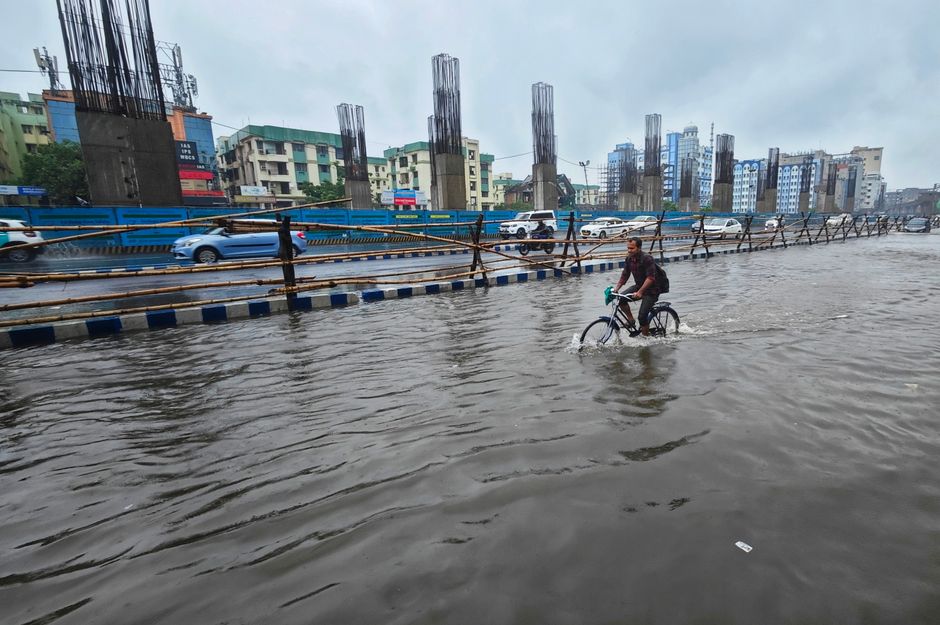
In recent years, Kenya has experienced significant flooding, particularly around its lakes, with Lake Naivasha being one of the most affected areas.The rising water levels have been attributed to increased rainfall, a phenomenon linked to climate change, which has caused severe disruptions for local communities and agriculture.
Source:
miningjournal.netWhen Dickson Ngome first leased his farm at Lake Naivasha in 2008, it was situated over a mile from the shore.However, by late October 2023, he and his family found their home submerged as the lake's levels rose dramatically overnight, displacing them and thousands of others.
Source:
miningjournal.netReports indicate that around 5,000 people have been displaced due to the flooding this year alone.
Source:
miningjournal.netThe situation at Lake Naivasha is not isolated; other lakes in the Rift Valley, including Lake Baringo and Lake Nakuru, have also seen rising water levels over the past 15 years.
Source:
miningjournal.netAccording to Simon Onywere, an environmental planning expert, these lakes have reached levels that are unprecedented in recorded history.
Source:
miningjournal.netA study published in the Journal of Hydrology highlighted that lake areas in East Africa increased by approximately 27,730 square miles between 2011 and 2023, affecting over 75,000 households in the Rift Valley by 2021.
Source:
miningjournal.netThe rising waters have submerged significant portions of agricultural land, particularly flower farms that are vital to Kenya's economy, generating over a billion US dollars in revenue annually.
Source:
miningjournal.netThe Kenya Meteorological Department has linked the increased rainfall to climate change, noting that rainfall patterns and temperature changes are significant contributors to the rising lake levels.
Source:
miningjournal.netAdditionally, sedimentation from agricultural activities has exacerbated the situation, further contributing to the lakes' rising waters.
Source:
miningjournal.netThe government's response to the flooding has faced criticism.Human Rights Watch has accused authorities of failing to adequately respond to the crisis, which has resulted in over 170 fatalities since the onset of the rainy season.
Source:
opb.orgDespite early warnings from the meteorological department, the government was slow to act, forming a response committee only after many lives had already been lost.
Source:
opb.orgIn light of the ongoing flooding, the Kenyan government has directed residents in flood-prone areas to evacuate, as more rain is expected in the coming weeks.
Source:
opb.orgHowever, the effectiveness of the government's emergency response remains in question, with reports of misappropriation of funds intended for disaster preparedness.
Source:
opb.orgThe implications of these environmental changes extend beyond immediate displacement.The agricultural sector, which employs a significant portion of the population, is under threat as unpredictable rainfall patterns disrupt traditional farming practices.
Source:
oxfamamerica.orgSmall-scale farmers, who produce the majority of food consumed in sub-Saharan Africa, are particularly vulnerable to these changes.
Source:
oxfamamerica.orgAs climate change continues to impact weather patterns, the need for effective adaptation strategies becomes increasingly urgent.The situation in Kenya serves as a stark reminder of the broader challenges faced by many regions in Africa, where climate change is expected to exacerbate existing vulnerabilities and threaten livelihoods.
Source:
wmo.intIn conclusion, the rising lake levels and increased flooding in Kenya are clear indicators of the severe impacts of climate change.As communities grapple with the consequences, it is essential for both local and national governments to prioritize effective disaster response and long-term adaptation strategies to mitigate the effects of climate change on vulnerable populations.