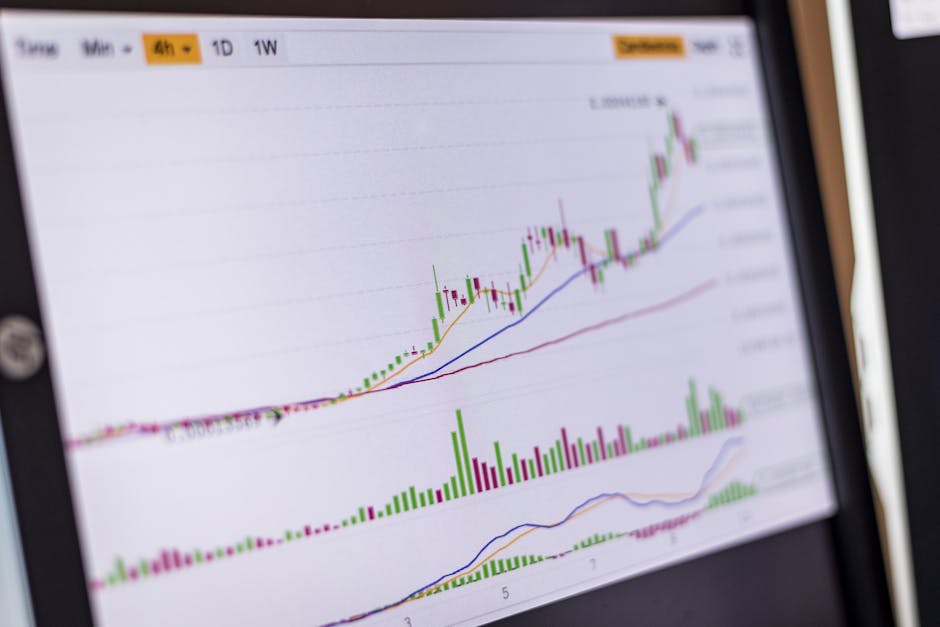
Asian stock markets faced significant downturns on Monday, triggered by President Donald Trump's ultimatum demanding Iran reopen the Strait of Hormuz.Trump's warning that he would "obliterate" major Iranian power plants if the waterway remained closed has escalated tensions in the region, prompting widespread fear of a prolonged conflict that could disrupt global energy supplies.
Source:
tradingeconomics.comThe Nikkei 225 index in Japan plummeted by 8%, while Hong Kong's Hang Seng index saw a staggering drop of 12%.Chinese tech giants like Alibaba and Tencent suffered losses of over 8% as investors reacted to the heightened geopolitical risks.
Source:
theguardian.comSouth Korea's Kospi index was temporarily halted as it dipped sharply, reflecting the pervasive market anxiety.Taiwan's market also fell nearly 10%, marking its largest one-day loss on record, driven primarily by declines in major tech firms TSMC and Foxconn.
Source:
theguardian.comThe sell-off was not limited to Asia; European markets also began the week on a sour note.The FTSE 100 in the UK fell as much as 6% before settling at a 4.38% loss by the day's end.Other major indices, including Germany's DAX and France's CAC 40, also recorded drops exceeding 4% as concerns over a potential global recession intensified amid Trump's tariff policies and the ongoing crisis in the Middle East.
Source:
theguardian.comTrump's comments have not only rattled stock markets but have also led to significant fluctuations in oil prices.Brent crude oil prices surged to over $100 per barrel as fears mounted over a potential closure of the Strait of Hormuz, a critical chokepoint for global oil shipments.The International Energy Agency (IEA) has warned that the global oil market is facing its largest-ever shock due to the conflict, which has severely curtailed Middle Eastern oil production.
Source:
tradingeconomics.comMoreover, the fallout from the US-Iran tensions has prompted retaliatory measures from Iran, with threats to target US and Israeli assets in the region.As a result, oil prices have risen approximately 50% since the onset of hostilities, exacerbating concerns about supply shortages and price spikes across global markets.
Sources:
aljazeera.comtradingeconomics.comThe economic implications are profound, as analysts predict that the escalating tensions could lead to a significant downturn in global trade and economic activity.Bill Ackman, a prominent investor, characterized Trump's tariffs as initiating an "economic nuclear war," highlighting the potential for severe repercussions on the global economy due to the current geopolitical landscape.
Source:
theguardian.comAs markets grapple with the uncertainty surrounding Trump's trade policies and military posturing, investors are increasingly seeking safe havens.The value of bonds has rallied, and the cost of borrowing has decreased, indicating a shift in market sentiment as participants look for stability amid the turmoil.
Source:
theguardian.comIn the wake of these developments, the focus will remain on potential diplomatic resolutions and the US's next moves in the region.The situation is fluid, and further escalation could have cascading effects on economic conditions worldwide, particularly in energy markets and related sectors.Market participants will be closely monitoring any announcements from the White House regarding trade and military strategies as the week unfolds.
Sources:
aljazeera.comtradingeconomics.comWith the stakes high and the outcomes uncertain, the global financial landscape faces a turbulent period ahead, driven by geopolitical tensions and economic anxiety.Investors will need to stay vigilant as the implications of Trump's ultimatum continue to reverberate through both Asian and global markets.