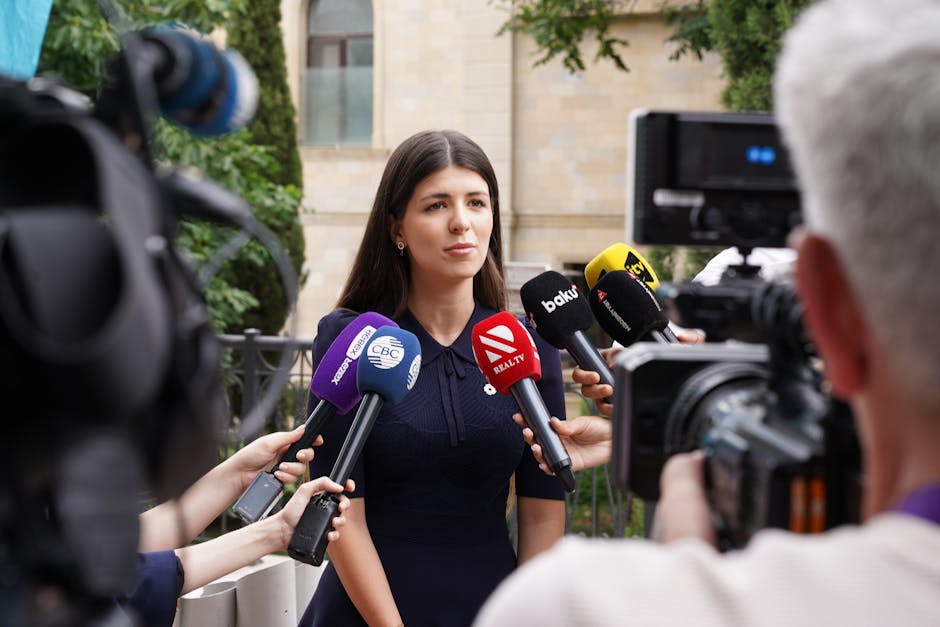
Vermont and New York have joined a coalition of 12 states in a legal battle against the Trump administration, alleging unlawful termination of nearly $8 billion in federal funding for energy and infrastructure projects.This funding, tied to the Bipartisan Infrastructure Bill and the Inflation Reduction Act, was designed to support clean energy initiatives and improve energy infrastructure nationwide.
Source:
ag.ny.govThe lawsuit, spearheaded by New York Attorney General Letitia James, argues that the Trump administration cannot unilaterally cancel programs it opposes.In a recent statement, James emphasized that instead of lowering energy costs and strengthening infrastructure, the administration is sabotaging investments that states rely on to meet growing energy demands.
Source:
ag.ny.govThe funding cuts, announced by Office of Management and Budget Director Russ Vought, were described as a move to eliminate what he termed "Green New Scam funding." This decision has major implications for states aiming to enhance their energy capabilities.
Source:
cnbc.comThe funding was earmarked for projects that would have modernized the electric grid, increased energy efficiency in buildings, and created well-paying jobs while reducing pollution.
Source:
ag.ny.govAttorney General James highlighted the immediate effects of these cuts, noting that they have led to halted construction, forced layoffs, and left states unable to proceed with critical energy projects.She stated, "Americans from coast to coast are feeling the impacts of rising utility bills and strained energy grids." The abrupt termination of over 300 federal awards has left states like New York in a precarious position regarding their energy infrastructure.
Source:
ag.ny.govJoining James in this lawsuit are attorneys general from California, Colorado, Connecticut, Illinois, Maryland, Massachusetts, New Jersey, Oregon, Rhode Island, Vermont, Washington, and Wisconsin.Collectively, they argue that the administration's actions violate the Administrative Procedure Act and the US Constitution’s separation of powers.
Source:
ag.ny.govThe coalition asserts that the Department of Energy (DOE) employed vague policies to justify these terminations, often neglecting to communicate with affected awardees.This lack of transparency has exacerbated the challenges states face in planning and executing essential projects.
Source:
ag.ny.govThis legal action emerges as part of a broader trend of resistance against federal policies perceived as detrimental to state interests, particularly in Democratic-controlled regions.Historical context shows that California, for instance, had previously sued the Trump administration over similar environmental issues, winning a majority of those cases.
Sources:
calmatters.orgstateline.orgAs the lawsuit unfolds, it will be critical to observe how the courts respond to claims of political retaliation against states that prioritize climate action and clean energy.Legal experts believe that the outcome could set a precedent for future federal-state relations concerning environmental policy and funding.
Source:
stateline.orgThe Trump administration's stance on environmental regulations has consistently drawn criticism from state leaders advocating for robust climate initiatives.As the coalition prepares for a drawn-out legal battle, state officials express determination to restore funding essential for their energy projects and to reinforce their commitment to sustainable practices.
Sources:
stateline.orggeopolitique.euVermont Attorney General Charity Clark echoed the sentiments of her counterparts, asserting that the cuts are not just financially damaging but also undermine state efforts to combat climate change and promote clean energy solutions.She stated, "This administration's attempt to sideline states that are taking proactive measures on climate change cannot go unchecked.".The outcome of this lawsuit is likely to have far-reaching implications for energy policy, federal funding, and state autonomy in pursuing climate-related initiatives.Advocates for clean energy hope that the courts will recognize the importance of maintaining these vital funding streams as part of a comprehensive approach to addressing energy needs and environmental challenges across the nation.
Sources:
ag.ny.govcalmatters.orgAs the legal proceedings progress, both sides will prepare for what could be a contentious fight over the future of energy funding and climate policy in the United States.The collaboration between these states signals a unified front against policies perceived as undermining their legislative priorities and public welfare.
Sources:
ag.ny.govstateline.orgIn conclusion, Vermont and New York's participation in this lawsuit marks a significant moment in the ongoing struggle between state interests and federal authority, particularly in the realm of environmental regulation and energy funding.The implications of this legal action will be closely monitored by both advocates and opponents of the Trump administration's policies as the case unfolds.